
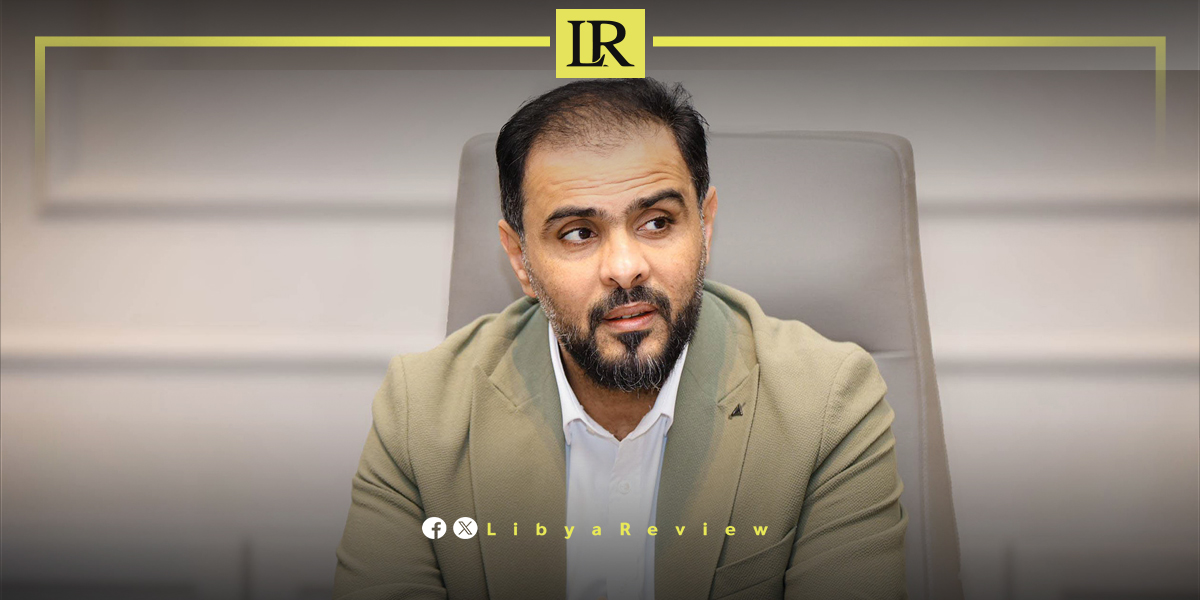
Prime Minister of the Libyan Government-designate Osama Hammad has formally asked the Central Bank of Libya to instruct commercial banks and their branches to extend working hours ahead of Eid al-Adha.
In an official letter sent on Thursday to the Governor of the Central Bank of Libya and his deputy, Hammad called for banks across the country to continue operating during evening hours until 6:00 p.m. The proposed extension would begin on Saturday, 23 May 2026, and continue until Arafat Day.
Hammad also requested that Arafat Day be treated as an official working day for all banks. He said the measure is intended to ensure that banking services remain available to citizens without interruption before the Eid holiday.
The request comes as many Libyan families prepare for Eid al-Adha, a period that usually sees higher demand for cash withdrawals, salary payments, financial transfers, and daily banking services. Extended bank hours could help reduce overcrowding at branches and allow citizens more time to complete financial transactions.
According to the letter, the government’s move is part of efforts to ease pressure on citizens and support the smooth payment of salaries. It also aims to help people meet their living needs before the holiday period, when public services and banking operations are often reduced.
Hammad praised the Central Bank of Libya for its continued cooperation in supporting the stability of the banking sector. He stressed that coordination between the government, the Central Bank, and commercial banks is necessary to maintain public services during peak periods.
The proposed decision would apply to commercial banks and their branches, ensuring wider access to financial services during the final days before Eid al-Adha.
Banking services remain a key public concern in Libya, particularly during holidays and salary payment periods, when demand often rises sharply. The government says extending working hours is aimed at protecting citizens’ access to essential financial services and preventing delays in salary disbursement or other banking transactions.

