
Saturday, February 7, 2026
LibyaReview
  • Home
  • Libya
  • Economy
  • Sport
  • Politics
  • Entertainment
  • Opinion
No Result
View All Result
  • Home
  • Libya
  • Economy
  • Sport
  • Politics
  • Entertainment
  • Opinion
No Result
View All Result
LibyaReview
No Result
View All Result
Home Libya

Libyan State Council Backs UN Efforts to Resolve Central Bank Dispute

August 29, 2024
Libyan State Council Backs UN Efforts to Resolve Central Bank Dispute

Libyan State Council Backs UN Efforts to Resolve Central Bank Dispute

Share on FacebookShare on Twitter

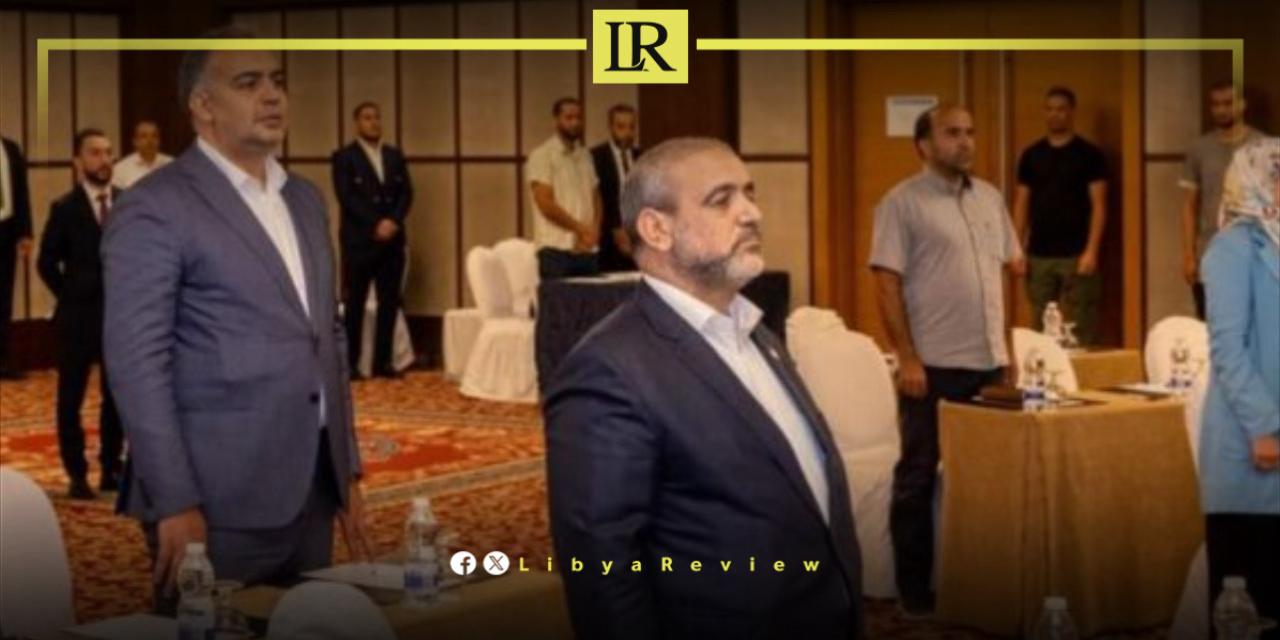
On Thursday, the High Council of State (HCS) in Libya welcomed the recent statement from the United Nations Security Council regarding the ongoing situation in the country, specifically focusing on the controversy surrounding the Central Bank of Libya (CBL).

The HCS emphasized its rejection of unilateral actions aimed at appointing a new Governor of the CBL and forming its Board of Directors, actions which the Council believes violate Libyan law and threaten to destabilize the nation.

In a statement, the HCS also expressed strong support for the United Nations Support Mission in Libya’s (UNSMIL) initiative to resolve the current crisis involving the CBL. The Council stated its readiness to engage in dialogue with the House of Representatives (HoR) to reach a consensus on appointments to Libya’s sovereign positions, in accordance with the Libyan Political Agreement (LPA).

Additionally, the HCS praised the UN Security Council’s call for adherence to the outcomes of the 6+6 Joint Committee, urging that the electoral process move forward based on these agreed-upon terms.

This situation highlights the ongoing power struggle within Libya, where the CBL, a crucial institution controlling the nation’s oil revenues and foreign reserves, has become a focal point of political contention.

The rivalry between the Tripoli-based Government of National Unity (GNU) and the Parliament-designated administration underscores the deep divisions that have persisted since the 2011 uprising that led to the fall of Muammar Gaddafi.

Unilateral actions concerning the leadership of the CBL, particularly without broad-based agreement, have the potential to disrupt efforts to stabilize Libya’s fragile political and economic landscape. The UNSMIL initiative, which seeks to mediate these disputes, represents a critical opportunity for fostering dialogue and finding common ground.

Tags: central bank of libyaHCSHigh Council of StatelibyaSecurity Council
Next Post
UK Reaffirms Commitment to Easing Tensions in Libya Amid Central Bank Crisis

UK Reaffirms Commitment to Easing Tensions in Libya Amid Central Bank Crisis

POPULAR CATEGORIES

  • Home
  • Libya
  • Economy
  • Sport
  • Politics
  • Entertainment
  • Opinion

MUST READ

Libya Inquiry Reveals New Forensic Details in Saif al-Islam Gaddafi Case

Revenge or Politics? Le Monde Probes Saif al-Islam Gaddafi’s Killing

Libya Targets Currency Speculation as Prices Come Under New Rules

Libyan Red Crescent Rescues 45 Migrants Off Tobruk Coast

Libya Moves Against Irregular Migration in Major Security Operation

Benghazi Expands Preventive Health Services With New Screening Units

EDITOR PICKS

Libya Inquiry Reveals New Forensic Details in Saif al-Islam Gaddafi Case

Libyan Red Crescent Rescues 45 Migrants Off Tobruk Coast

Benghazi Expands Preventive Health Services With New Screening Units

Libya Targets Currency Speculation as Prices Come Under New Rules

Libya Moves Against Irregular Migration in Major Security Operation

Libya’s Sirte Road Expansion Enters Second Phase

  • Home
  • Libya
  • Economy
  • Sport
  • Politics
  • Entertainment
  • Opinion

© 2024 LR

No Result
View All Result
  • Home
  • Libya
  • Economy
  • Sport
  • Politics
  • Entertainment
  • Opinion

© 2024 LR