
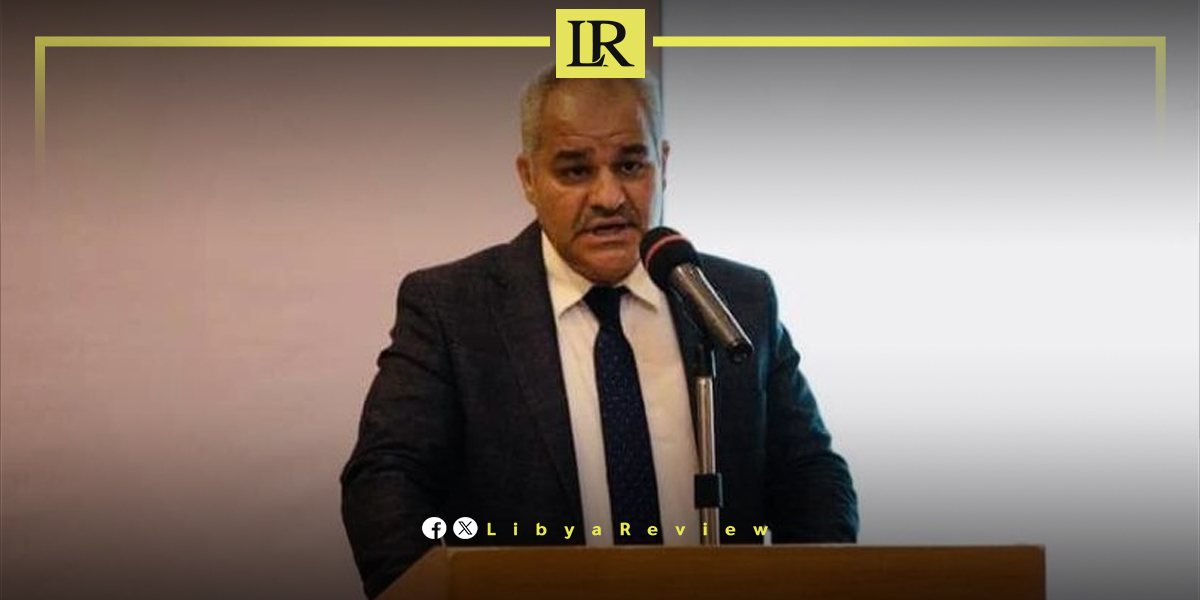
On Thursday, the Central Bank of Libya (CBL) launched a new strategy to strengthen and expand digital payment systems nationwide.
Earlier today, the CBL Governor Naji Issa met with electronic payment companies and Central Bank officials to discuss implementing the multi-phase plan to upgrade Libya’s financial infrastructure and enhance digital payment options for individuals and businesses.
The strategy focuses on both short- and medium-term improvements to digital payment systems. Planned upgrades include modernizing the national payment network, introducing smart payment cards, and raising transaction limits for electronic payments. Governor Issa has also instructed a review of service fees for point-of-sale (POS) systems, to make digital payments more affordable and accessible. Additionally, new regulatory standards will be established to guide electronic payment companies in delivering high-quality services.
As part of the initiative, Issa requested that payment companies submit comprehensive action plans for 2025, including detailed timelines, metrics, and performance goals. He emphasized the importance of regular monitoring to ensure progress is on track.
In addition, Issa directed the Central Bank to review and update its policies for electronic payment systems, with companies required to submit monthly reports covering transaction volumes, digital wallet transfers, bill payments, and other key metrics.
The CBL governor also stressed the need for electronic payment companies to enhance their internal controls to safeguard against potential risks in digital transactions.
He called on companies to continuously improve service quality and diversify their offerings, setting high standards for reliability and innovation that will serve as benchmarks in the Central Bank’s evaluation of service providers.
Libya’s economic development has been constrained by years of political instability, which has affected the country’s banking sector and limited the availability of secure, cashless payment options. Recognizing the potential of digital payments to boost financial inclusion and modernize the economy, the Central Bank of Libya has prioritized developing a robust digital payment system that is secure, accessible, and reliable.

