
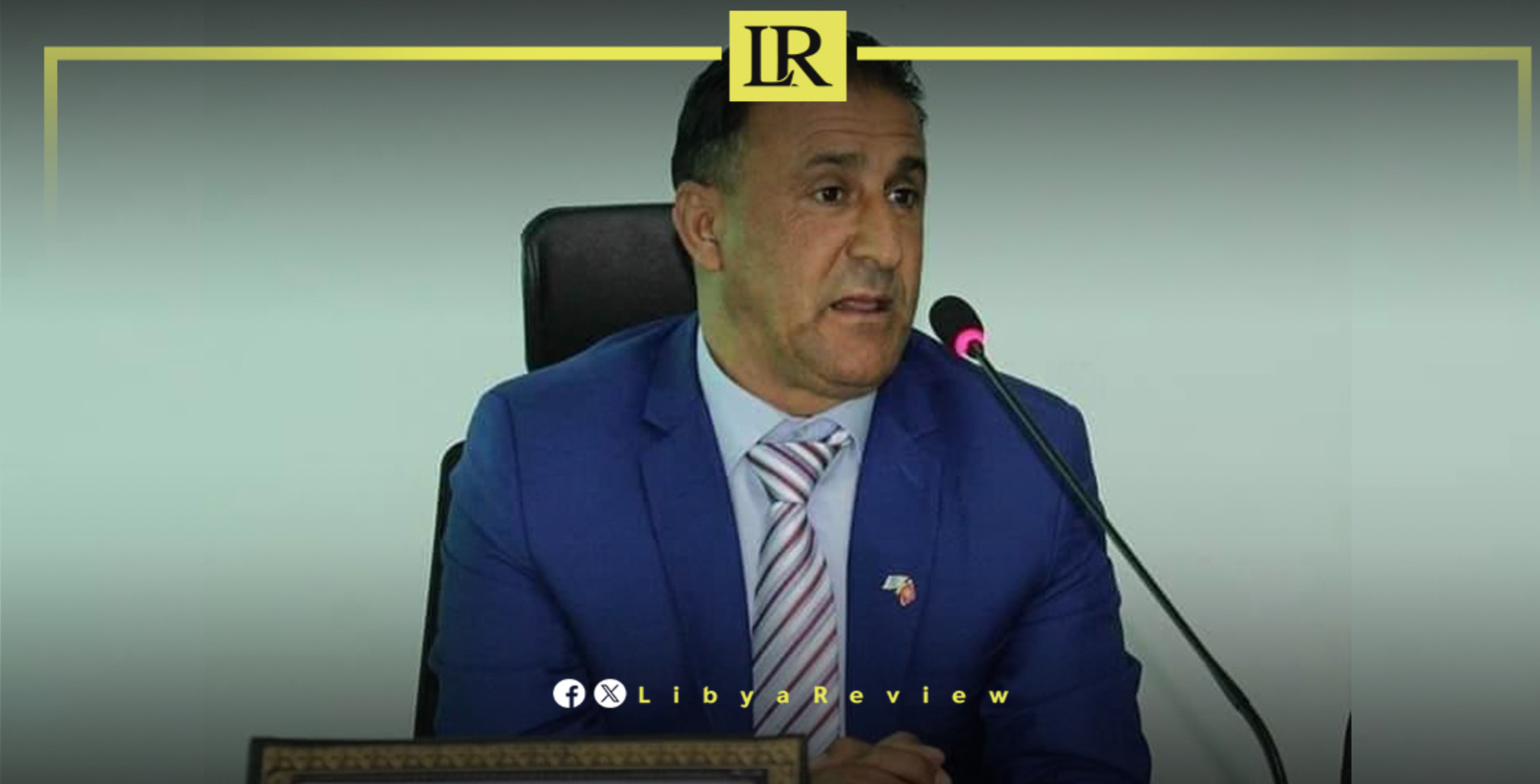
Mustafa Abdul Kabir, head of the Tunisian Observatory for Human Rights, said that the European Union is exercising what he described as “unofficial guardianship” over Libya, using migration management as a tool of political and regional influence.
In press statements, Abdul Kabir argued that the 2017 Memorandum of Understanding between the EU and Libya—though non-binding—has allowed smuggling networks and armed groups to benefit from the current instability at the expense of the Libyan state.
He said that Libya’s political division and fragmented governance have weakened its sovereignty and created opportunities for the EU to exploit the situation by engaging selectively with rival authorities.
Abdul Kabir also noted that the lack of coordination among Libya, Tunisia, Algeria, and Egypt has made regional migration policies fragmented and ineffective.
He criticized the EU’s strategy of negotiating with each North African country individually, saying it prioritizes short-term security interests over developmental or humanitarian solutions. “Europe is managing migration, not solving it,” he said, urging Maghreb countries to adopt a unified regional stance, emphasizing that “a group of guards is better than one.”
According to Abdul Kabir, the EU continues to fund migration-control programs worth billions of euros with Tunisia, Mauritania, and Egypt—while refusing to sign a formal agreement with Libya. He described this as a deliberate policy of exclusion that reflects Europe’s mistrust of Libya’s divided institutions and political instability.
He further alleged that the EU indirectly imposes political restrictions on Libya by limiting international organizations from working directly with Libyan authorities, hindering the country’s ability to access technical and logistical support.
Abdul Kabir concluded that the EU’s current approach only manages migration flows rather than addressing the root causes in countries of origin. He warned that as Tunisia tightens its borders under EU pressure, migration routes are shifting back toward Libya, which now bears the heaviest burden of Europe’s migration containment policies.

