
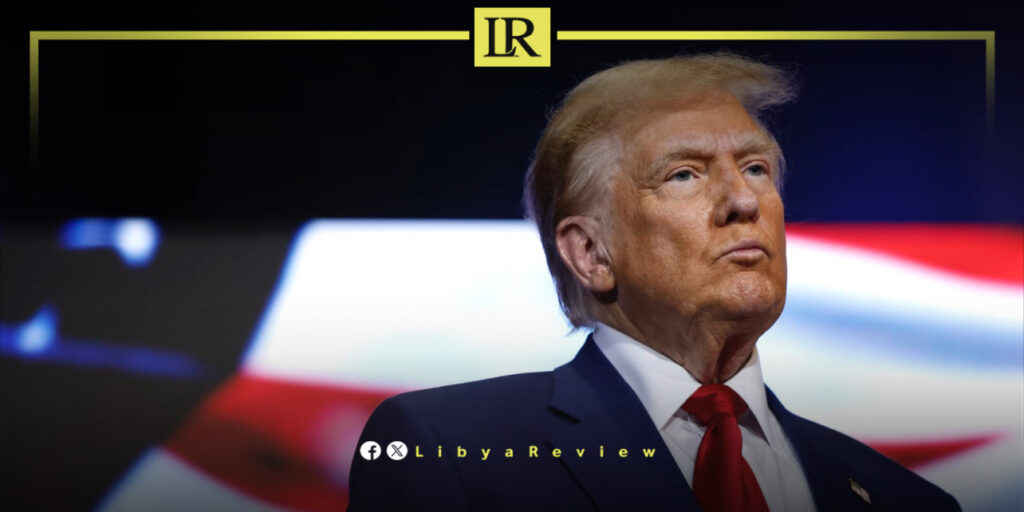
The United States Citizenship and Immigration Services (USCIS) has begun enforcing a directive halting all immigration, residence, and naturalisation procedures for Libyan nationals, classifying Libya as a high-risk state under new presidential guidance. The decision, announced by the agency, applies not only to fresh applications but also to all pending cases, including lawful permanent residence and citizenship files.
The executive order, introduced by former President Donald Trump and reactivated in a revised form, also extends to nationals from eighteen other countries designated as “third-world risk states”. According to the announcement, immigration files will be subject to full reassessment regardless of the applicant’s stage in the legal process, with individual security interviews forming part of the re-verification cycle.
In practical terms, USCIS confirmed that scheduled oath ceremonies for naturalisation candidates will be cancelled, even for applicants who have completed interviews, passed civics tests, and met all legal requirements. Those affected will be unable to obtain citizenship or perform the oath until the review process is finalised, with no set timeline for reinstatement.
The directive affects any Libyan national who entered U.S. territory on or after 20 January 2021. Legal analysts note that the order represents one of the broadest suspensions of immigration normalisation procedures since the original travel restrictions introduced during Trump’s tenure. Advocacy groups say that the decision risks creating a backlog affecting thousands of Libyan nationals, including students, asylum applicants, and long-term residents who have complied with all previous immigration requirements.
Libya joins a list that includes Sudan, Yemen, Somalia, Iran, Afghanistan, Myanmar, Chad, Cuba, Burundi, Eritrea, Congo, Equatorial Guinea, Haiti, Laos, Sierra Leone, Togo, Turkmenistan, and Venezuela. Immigration lawyers warn that appeal routes remain limited under the directive, while humanitarian agencies argue the move will disproportionately burden families separated by conflict and displacement.

