
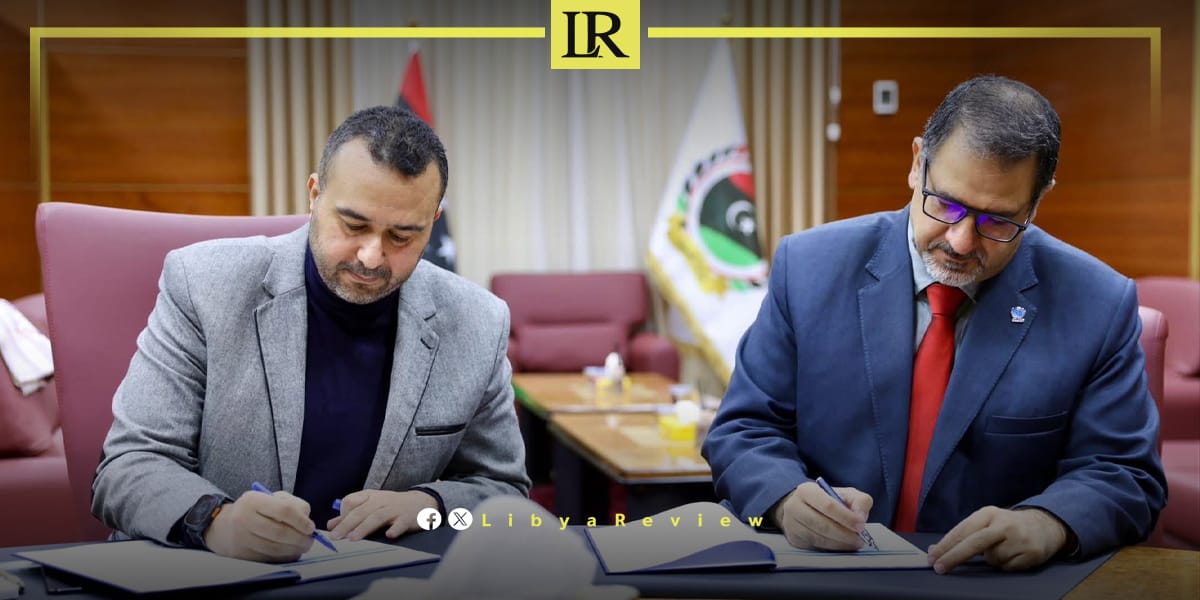
Libya’s Ministry of Health has signed the 2026 Work Plan with the United Nations Children’s Fund (UNICEF), marking a renewed commitment to enhancing healthcare services for children and mothers across the country. The agreement was formalised by Acting Minister of Health Dr Mohammed Al-Ghouj in the presence of UNICEF Representative in Libya, Mohamed Fayad.
The Ministry said the joint plan will support national programmes designed to strengthen maternal and child health services, widen immunisation coverage, and improve public-health indicators through targeted interventions. The framework includes technical support, training for medical personnel, and the development of child-focused healthcare units in priority areas.
The partnership aligns with Libya’s strategy to upgrade the healthcare sector and ensure equitable access to services, particularly in regions affected by instability and overcrowding. UNICEF will work alongside the Ministry to address gaps in neonatal care, nutrition support, digital health registration systems, and emergency response capacity.
UNICEF’s role will also expand to supporting vaccine procurement and cold-chain infrastructure to safeguard immunisation programmes. Both parties emphasised that improving early-childhood health remains central to building long-term resilience and reducing preventable diseases.
The Health Ministry stated that the plan reflects its broader vision to modernise Libya’s healthcare ecosystem, enhance service delivery, and strengthen coordination with international partners. The 2026 roadmap is expected to introduce measurable indicators to track improvements in child survival rates, maternal outcomes, and health-sector performance.
UNICEF reaffirmed its readiness to work closely with Libyan institutions to ensure the effective rollout of the programme, stressing the importance of sustainable development tools and local capacity-building. The signing marks a significant continuation of cooperation that seeks to guarantee better health standards for future generations in Libya.

