
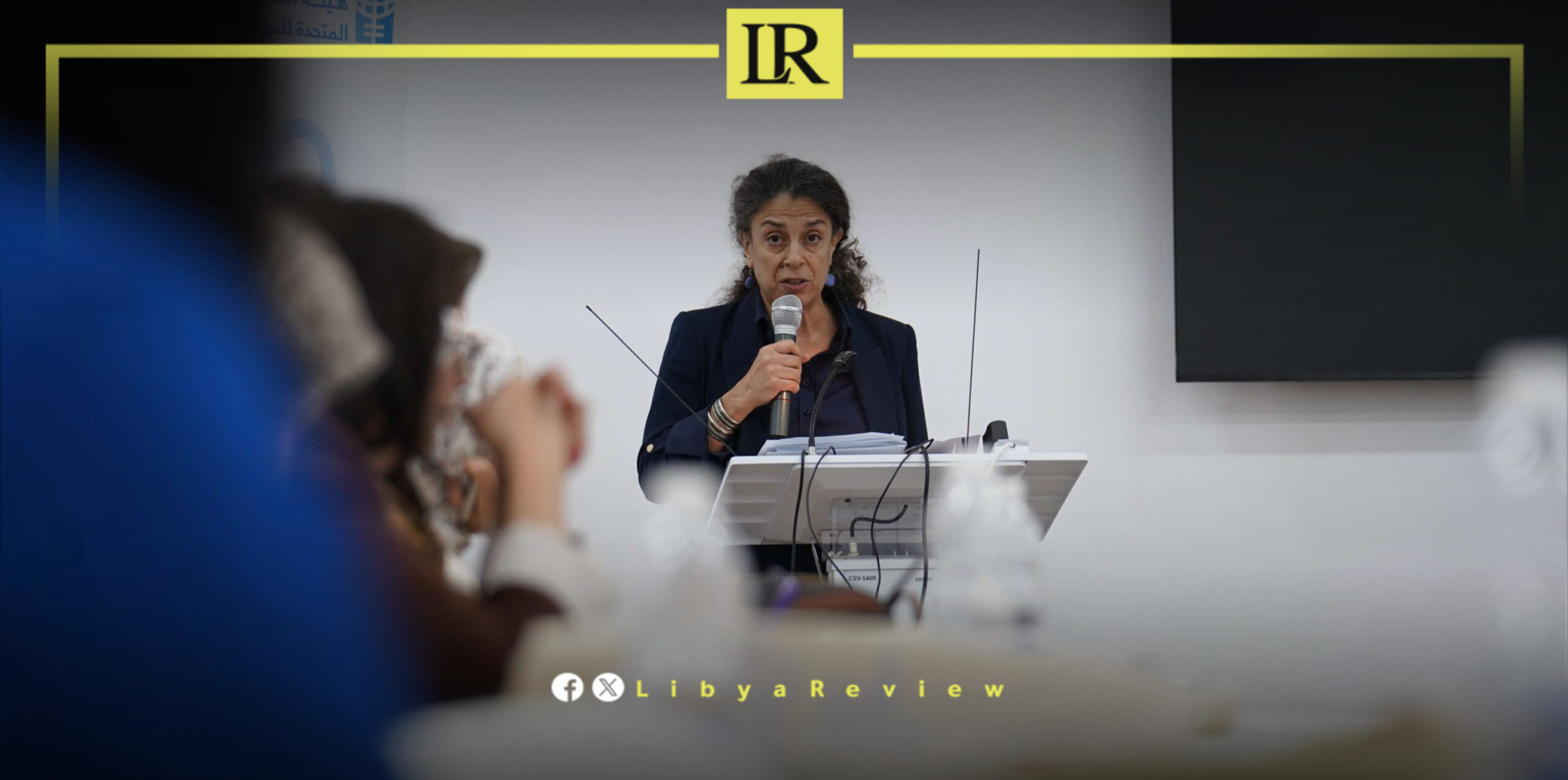
The United Nations Support Mission in Libya (UNSMIL) has confirmed that women will make up at least 35 percent of participants in the upcoming Structured Dialogue, a significant step toward ensuring meaningful female representation in Libya’s political processes.
The announcement follows a series of consultations involving nearly one hundred Libyan women from across the country and abroad, including young women, women with disabilities, and representatives of marginalized groups.
These consultations, held both in person and online, were supported by UN Women and the UN Development Programme.
They allowed participants to share priorities and recommendations across the four thematic areas of the Structured Dialogue: governance, economy, security, and national reconciliation with human rights. The women emphasized the need for legal reform, enforcement of previous commitments related to women’s quotas, and expanded female participation in legislative, executive, security, and economic institutions.
Many also stressed the importance of advancing the constitutional process and ensuring that human rights principles are embedded across all dialogue tracks.
The initiative includes the creation of a Libyan women’s platform intended to support joint advocacy efforts, facilitate communication between dialogue members and women outside the formal process, and provide technical assistance. The platform is expected to help unify women’s positions and ensure their priorities reach decision-makers.
Special Representative of the Secretary-General Hanna Serwaa Tetteh told the UN Security Council that Libyan women continue to face structural barriers that limit their participation in political institutions and decision-making. She reaffirmed UNSMIL’s commitment to guaranteeing no less than 35 percent female participation in all four tracks of the Structured Dialogue. Tetteh added that the mission’s goal is not only numerical representation but also ensuring that the perspectives and priorities of women outside the dialogue are brought into national discussions.
Participants also called for the establishment of effective mechanisms to monitor and implement the dialogue’s recommendations, warning that previous national commitments on women’s empowerment often faltered due to a lack of follow-through.

