
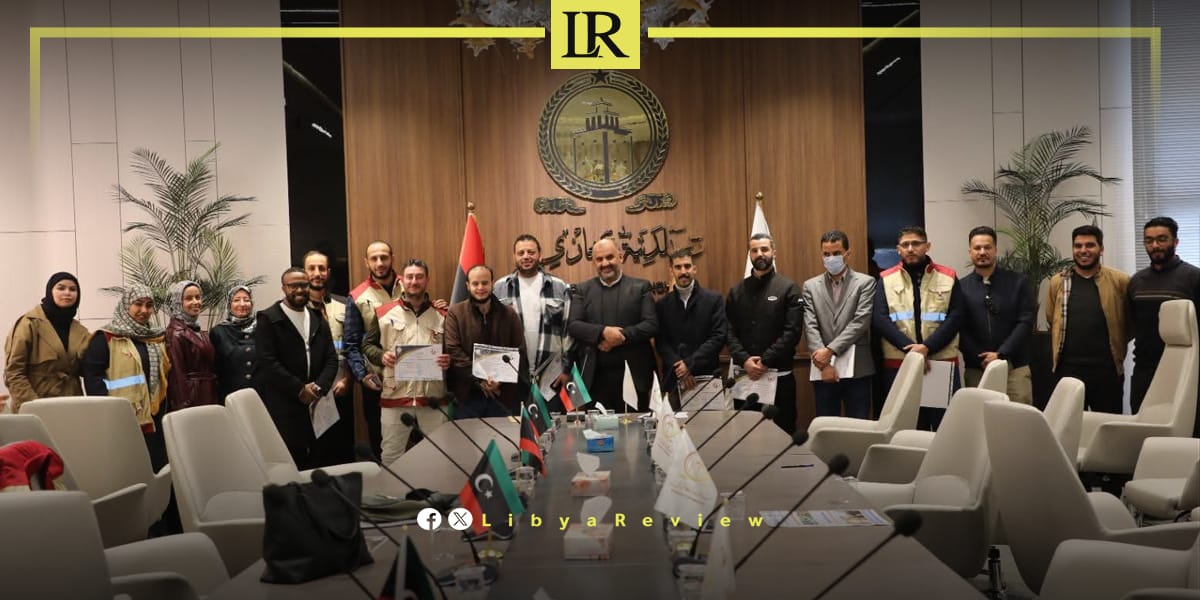
Twenty-five Libyan doctors have successfully completed an advanced emergency training programme in Benghazi, qualifying them to lead and train rapid-response medical teams across key national sectors. The course, organised by the Benghazi Centre for Emergency Medicine and Support in cooperation with the Centre for Medical Workforce Development, marked a significant step towards strengthening Libya’s emergency preparedness and improving the quality of frontline care.
Speaking to the Libyan News Agency, Ahmed Rahouma, Director of the Emergency Medicine and Support Centre, said the initiative formed part of a comprehensive strategy to enhance the capabilities of medical staff and ensure readiness for critical scenarios. He stressed that the completion of training by 25 doctors represented a tangible investment in building an integrated emergency response framework capable of addressing major incidents swiftly and efficiently.
Rahouma added that the newly qualified trainers would not only be responsible for transferring technical knowledge within the health sector, but also for preparing designated teams in the army, the Ministry of Interior, the Traffic Authority, and the Scout Movement. The aim, he noted, was to create a unified national response approach and reduce reaction time in the event of mass-casualty emergencies or natural disasters.
International instructor Hanan Mohamed Hassan described the training as “the first and essential milestone” in establishing specialised national medical cadres capable of designing emergency response programmes and forming operational teams based on modern scientific criteria. She noted that the participating doctors had been fully qualified to work as accredited trainers, equipped with updated skillsets on emergency coordination, trauma management, and crisis leadership.
The programme concluded with the distribution of official certificates to the graduating doctors, as well as commendation shields for the senior trainers in recognition of their contribution to the success of the course and to Libya’s broader health stabilisation efforts.

