
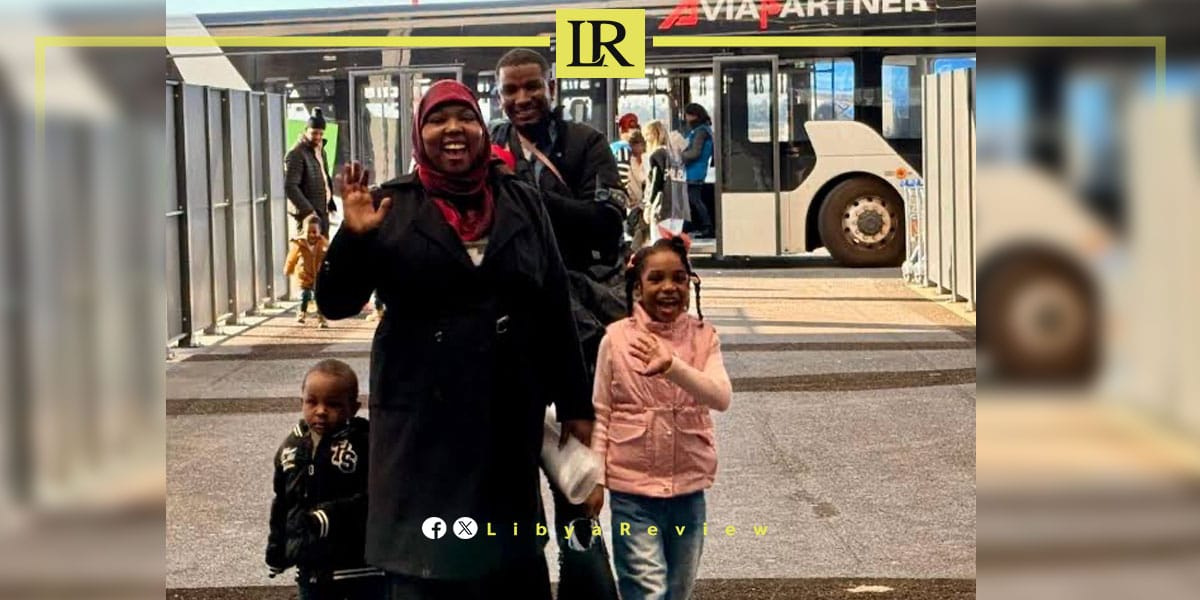
A group of 122 refugees, more than half of them minors, arrived at Rome’s Fiumicino Airport as part of Italy’s ongoing humanitarian corridor programme, according to Nova News Agency.
The group travelled on a UNHCR-organised flight originating from Libya, marking another step in Italy’s structured approach to safe and legal entry for vulnerable people.
The refugees were received at Terminal 5 by volunteers from civil society organisations, staff from the Rome Airports (ADR) company, and officials representing the Rome Prefecture. Senior Italian and international representatives were also present, including Pierfrancesco Sacco, Plenipotentiary Minister of the General Directorate for Italians Abroad and Migration Policies; Marco Impagliazzo, President of the Community of Sant’Egidio; Philip Ungaro, Italian spokesperson for UNHCR; and Valentina Itri, coordinator of the immigration office of the Italian Recreational and Cultural Association (ARCI).
Speaking during the reception, Sacco described Italy’s approach as a form of “welcoming diplomacy”, noting that it stands alongside economic, cultural, and sporting diplomacy as part of the country’s wider international engagement. He said the model is “well-established” and relies on coordinated efforts between the Ministry of the Interior, UNHCR, IOM, and prominent Italian civil society organisations such as the Community of Sant’Egidio.
Impagliazzo addressed the new arrivals, assuring them that Italy, as a “home of peace,” would be “happy” to welcome them. He urged the refugees to take two immediate steps: learn the Italian language to integrate quickly into society, and respect Italian citizens and the country’s laws.
The humanitarian corridor programme has become one of Italy’s most prominent tools for providing safe passage to vulnerable individuals stranded in conflict zones or transitional countries, including Libya. The initiative aims to reduce the risks associated with irregular migration and human trafficking, offering a structured reception system that prioritises minors and families.

