
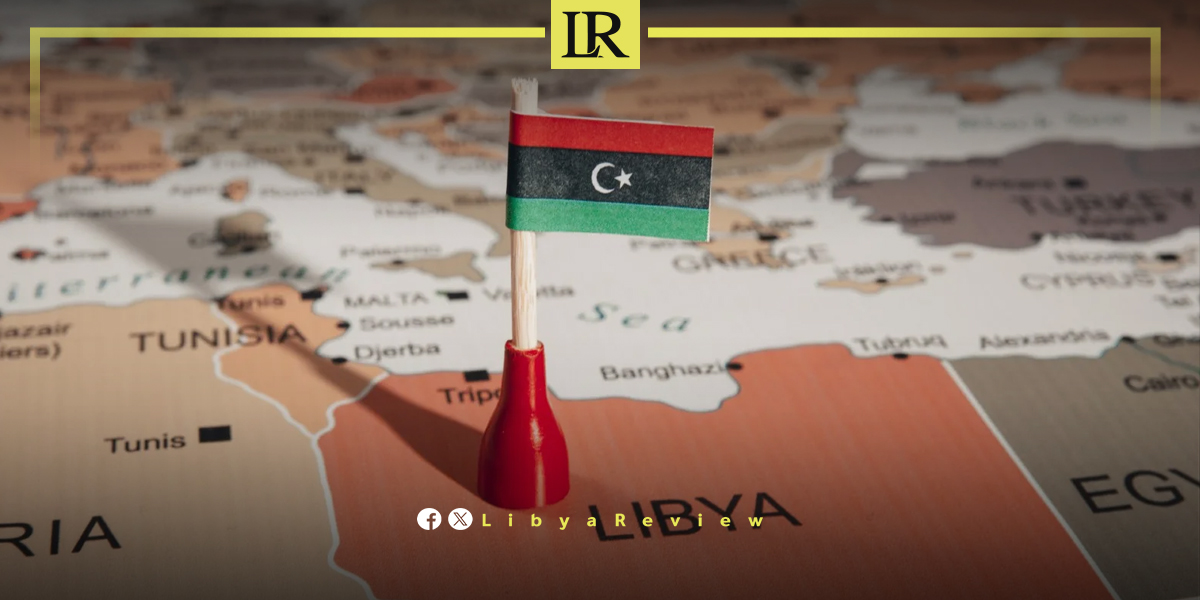
Libya is gradually re-emerging on the global investment map, driven primarily by renewed momentum in the energy and infrastructure sectors, according to an analytical report published by Freshfields News.
The report highlights ongoing official efforts to reposition Libya economically after years of political instability, signaling a cautious but noticeable reopening to international capital.
The analysis notes that Libya is once again attracting investor attention, particularly in traditional oil and gas, renewable energy, and large-scale infrastructure development. This renewed interest reflects a broader strategy to diversify the economy, modernize production capacity, and capitalize on Libya’s strategic location and vast natural resources.
According to the report, Libyan authorities have launched a new round of oil and gas licensing under more flexible contractual terms to provide greater revenue stability for investors. These terms allow production expansion without automatic reductions in revenue shares, creating a more predictable investment environment.
In parallel, Libya is accelerating the rehabilitation of existing oil fields while expanding renewable energy initiatives, including solar and wind projects, as part of a long-term energy transition.
The report also points to the growing use of innovative financing tools to support development across key sectors, including water management, agriculture, and sustainable infrastructure. Blended finance models and concessional capital are increasingly being deployed to lower risk exposure and encourage private-sector participation in projects traditionally dependent on public funding.
Digital infrastructure development is highlighted as a potential breakthrough area. Investments in regional connectivity and subsea telecommunications cables could position Libya as a future data and connectivity hub linking Africa, Europe, and the Middle East. Such projects would significantly broaden Libya’s investment appeal beyond hydrocarbons.
Despite the positive signals, the report warns that Libya remains a high-risk market. Investors are urged to conduct thorough legal and regulatory due diligence, particularly regarding investment protection treaties, licensing frameworks, and dispute-resolution mechanisms. Ongoing political fragmentation and institutional uncertainty continue to pose challenges.
Still, the report concludes that Libya’s renewed engagement with global markets, anchored in energy, infrastructure, and connectivity, represents a meaningful shift that could unlock substantial investment opportunities if stability and regulatory clarity continue to improve.

