
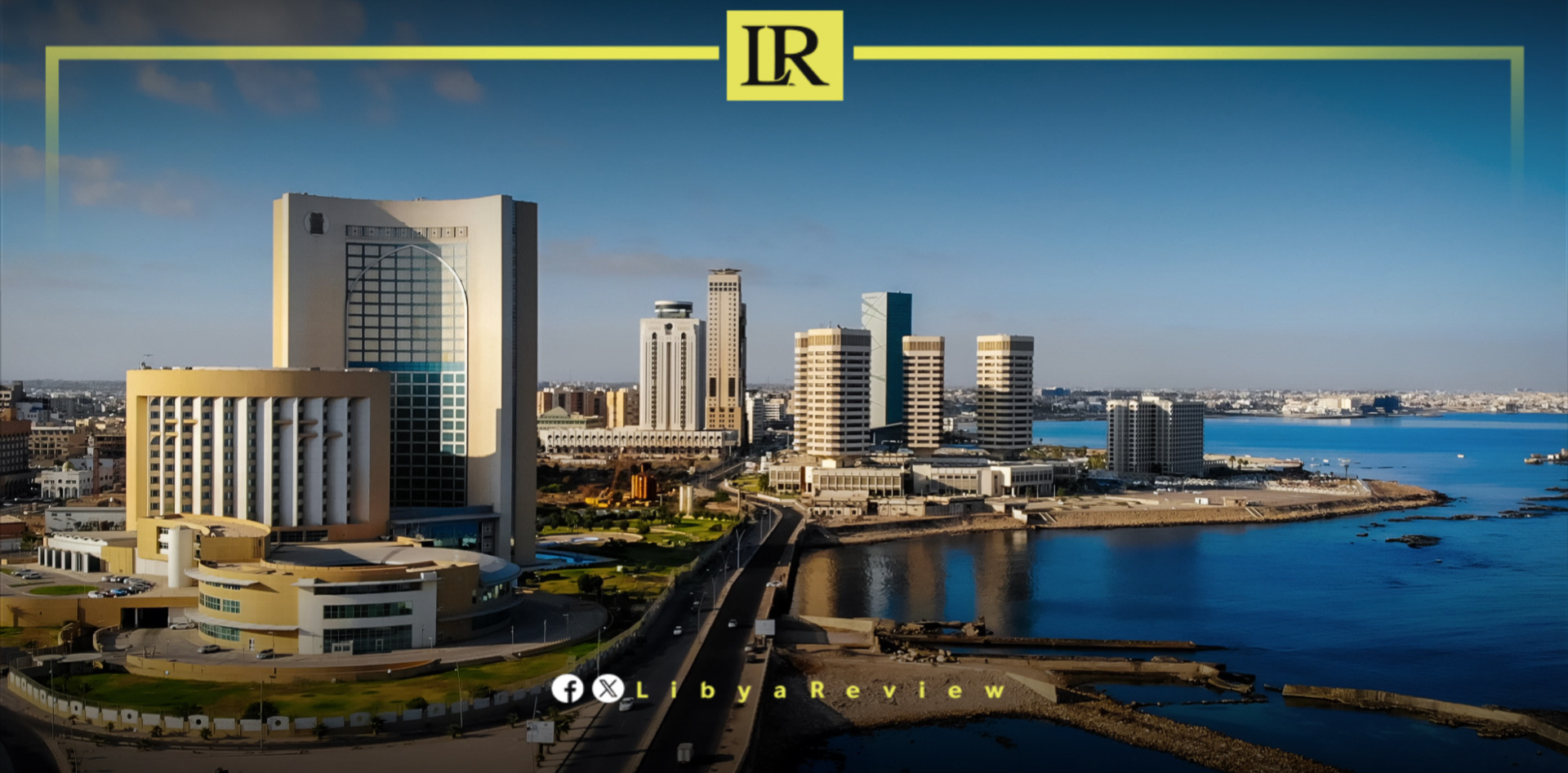
Libya has been ranked among the ten most developed countries in Africa for 2025, according to a new international report published by World Population Review, marking a notable improvement in the country’s human development indicators after years of political instability and conflict.
Libya placed ninth in the continental ranking, with a Human Development Index score of 0.721, reflecting gradual but tangible progress in key areas that affect quality of life.
The report, prepared by researcher Fathia Olasupo, is based on the Human Development Index, which measures development through life expectancy, education, and per capita income rather than relying solely on gross domestic product.
It highlights that countries achieving higher rankings have succeeded in translating economic activity and public policy into real social gains by prioritizing long-term investments in health, education, and governance.
Libya’s inclusion in the top ten reflects a cautious recovery driven by renewed efforts to rebuild state institutions, strengthen human capital, and restore economic stability. In recent years, the country has benefited from increased development assistance and structural reforms aimed at restoring basic services, rehabilitating social infrastructure, and creating conditions for economic diversification beyond oil. While challenges remain, these efforts have contributed to measurable improvements in living standards.
Education reform has played a central role in this progress. Between 2023 and 2024, Libya implemented a comprehensive restructuring of its education and workforce systems, including the launch of the National Workforce Modernization Program. The initiative revived technical and vocational training across 19 institutes, focusing on sectors essential for reconstruction and future growth such as logistics, energy, machinery maintenance, and infrastructure support. Enrollment in vocational programs has reportedly risen by about 40 percent since 2022.
With support from the United Nations, Libya also introduced an education management information system in more than 200 schools, improving transparency, planning, and resource allocation. These reforms aim to align education outcomes with labor market needs and reduce reliance on traditional academic pathways.
In healthcare and social services, UN-backed programs expanded access to maternal and child healthcare, strengthened primary health facilities, and delivered nutrition and early childhood support to vulnerable groups. Despite continued dependence on oil revenues, recent reforms and foreign support have sought to diversify the economy and attract investment. The report concludes that Libya’s development gains remain fragile but signal meaningful potential if stability and reform efforts continue.

