
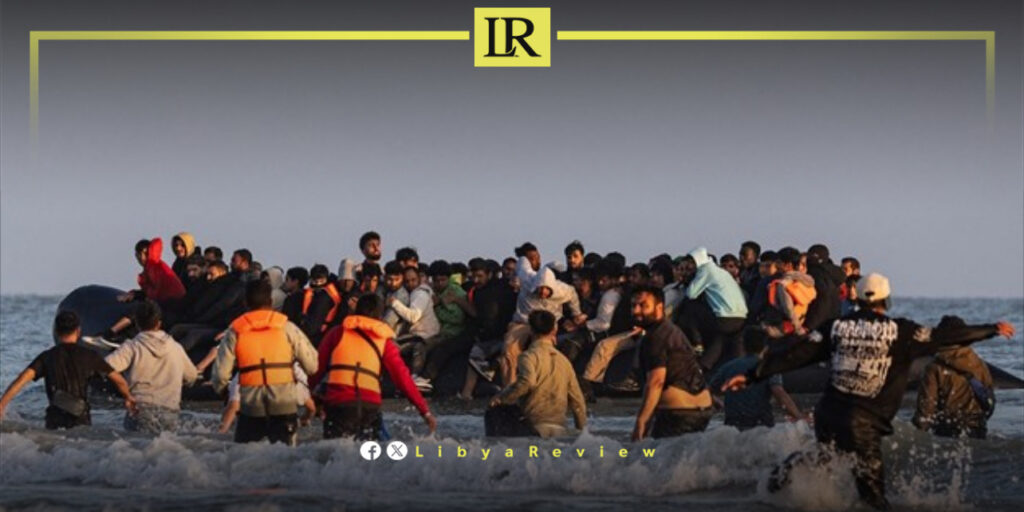
Libya’s eastern coast guard, affiliated with the Libyan National Army, has rescued 30 undocumented migrants from a boat located around 15 nautical miles off the coast of Tobruk, according to an official statement. The operation highlights ongoing maritime patrols amid persistent migration attempts across Libya’s Mediterranean coastline in recent months.
The coast guard said those rescued included migrants of several nationalities, reflecting broader regional instability driving irregular movement. Among them were 23 Sudanese nationals, four Somalis, two Egyptians, and one Yemeni migrant, all travelling in difficult conditions before being intercepted at sea during the maritime rescue operation, authorities confirmed later.
Officials stated that immediate medical and humanitarian assistance was provided following the rescue, in line with standard procedures. The migrants were then transferred to relevant authorities to complete legal processes, including identification and health checks, as Libyan agencies continue to manage complex migration pressures along the eastern coastline area overall.
Libya remains a key transit point for migrants attempting to reach Europe, with its long and porous coastline frequently used by smuggling networks. Security bodies have increased patrols in recent years, particularly near Tobruk, amid calls for stronger regional coordination on migration control and maritime security enforcement measures nationwide efforts.
The Libyan National Army has repeatedly stressed the role of its coast guard units in preventing loss of life at sea while combating human trafficking. Officials say rescue operations are conducted alongside efforts to dismantle smuggling routes, despite logistical challenges and limited resources facing coastal units operating daily conditions nationwide.
Authorities did not disclose further details about the migrants’ intended destination or the vessel’s origin. The rescue comes as Libya continues to face international scrutiny over migration management, prompting renewed debate on cooperation with neighbouring states and international organisations to address the issue sustainably through coordinated policies, support, funding, mechanisms.

