
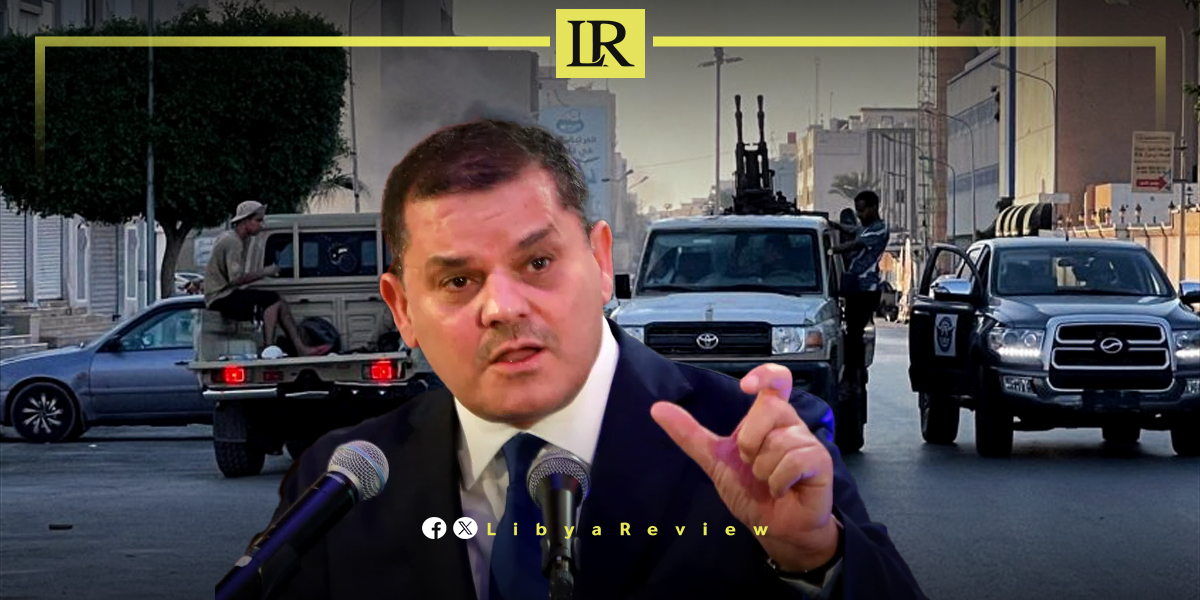
West Libya saw a marked deterioration in security conditions throughout 2025, with repeated armed clashes, targeted killings, and widespread lawlessness, particularly in and around the capital, Tripoli.
The year highlighted the continued fragmentation of the security environment in western regions, driven by the presence of multiple armed groups operating outside a unified command structure and the limited capacity of the Government of National Unity to assert effective control.
The most significant escalation occurred on 12 May 2025, when intense fighting broke out in Tripoli between the 444th Infantry Brigade and the Stability Support Apparatus following the killing of the apparatus’s leader, Abdel Ghani al-Kikli.
The clashes expanded rapidly into densely populated residential areas, resulting in civilian casualties, extensive damage to infrastructure, and the displacement of hundreds of families. Key public facilities were disrupted, underscoring the capital’s vulnerability to sudden security breakdowns.
Although a ceasefire was announced on 14 May after intervention by the United Nations Support Mission in Libya, the truce remained fragile and failed to address underlying structural drivers of violence. Armed groups continued to maintain positions across the city, and tensions persisted despite the absence of large-scale fighting.
Armed confrontations were also recorded in other parts of western Libya. In February 2025, clashes between rival groups over territorial influence led to multiple fatalities. In May, violence in the city of Zawiya resulted in civilian deaths and injuries.
Further escalation occurred in August in Tajoura, east of Tripoli, where at least nine people were killed, followed by renewed tensions in September linked to disputes over control of strategic facilities, including Mitiga Airport.
On 12 December, the killing of Ahmed al-Dabashi, a prominent militia leader in Sabratha and a known figure in migrant smuggling networks, during clashes with security forces in Zawiya marked the final major incident of the year. Several fighters were seriously wounded, reinforcing concerns over the persistent use of force as a means of dispute resolution.
Public protests following the May clashes reflected growing frustration with the security situation and renewed calls for the dismantling of militias and comprehensive security sector reform. Observers note that continued reliance on informal power balances among armed groups has undermined efforts to establish sustainable security.

