
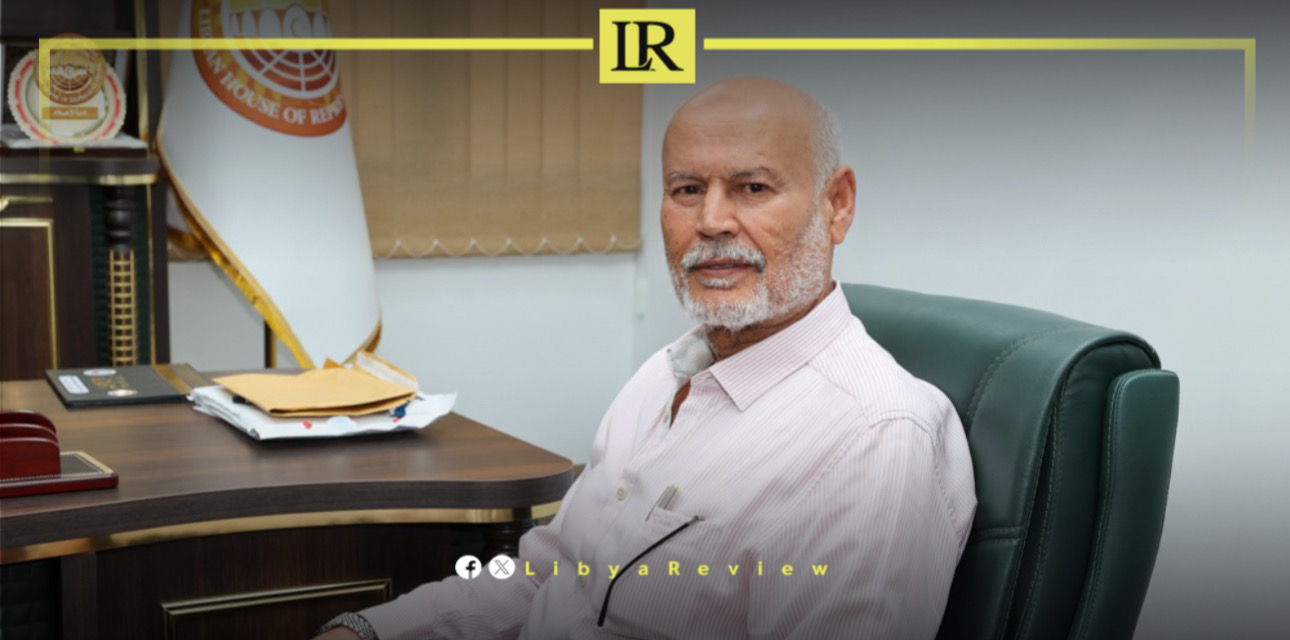
Libyan lawmaker Abdulnasser Al-Naas has reaffirmed that the appointment of the head of Libya’s High National Elections Commission (HNEC) falls exclusively within the constitutional authority of the Libyan House of Representatives, rejecting any notion of shared decision-making with other political bodies.
Speaking in a televised interview, Al-Naas said that the issue is among the parliament’s core prerogatives and cannot be overridden or diluted by political pressure or external interpretations. His remarks come amid renewed debate over institutional roles during Libya’s prolonged transitional phase.
Consultation With High Council of State Is Non-Binding
Al-Naas clarified that consultations between the House of Representatives and the High Council of State are advisory in nature and legally non-binding. He stressed that such consultations do not amount to a partnership in decision-making.
He warned that any attempt by the High Council of State to move beyond this consultative role represents a clear violation of the separation of powers, cautioning that such actions could deepen Libya’s institutional division and trigger serious political and legal consequences.
Al-Naas described efforts to impose views outside constitutional frameworks as a “stain on the political process,” insisting that Libyans would not accept practices that threaten their constitutional and electoral rights.
Criticism of High Council of State’s Legal Interpretations
The MP criticized what he described as the High Council of State’s insistence on advancing legal interpretations lacking constitutional grounding. According to Al-Naas, this approach raises serious questions about the council’s intentions and its role at a particularly sensitive moment for Libya.
He emphasized that strict adherence to the law remains the only guarantee for holding credible elections that genuinely reflect the will of the Libyan people.
Dbaiba Government Accused of Unilateral Decisions
Al-Naas also took aim at the outgoing Government of National Unity, led by Abdel-Hamid Dbaiba, accusing it of continuing to issue unilateral decisions without national consensus or a clear legal mandate.
He argued that this pattern further complicates the political landscape and undermines prospects for stability at a time when Libya urgently needs institutional coherence and rule-based governance.
Questions Over UN Mission’s Silence
Turning to the international dimension, Al-Naas expressed concern over what he described as the lack of objection or condemnation from the United Nations Support Mission in Libya, headed by Hanna Serwaa Tetteh.
He said that international silence in the face of what he views as clear legal violations sends troubling signals and weakens confidence in global support for Libya’s constitutional and institutional track.
Call for Respecting Constitutional Mandates
Al-Naas concluded by stressing that respect for constitutional mandates and full commitment to the rule of law are the only viable path to ending Libya’s transitional stages. He urged all political actors to prioritize national interest and respond to the will of the Libyan people, warning that continued risk prolonging instability.

