
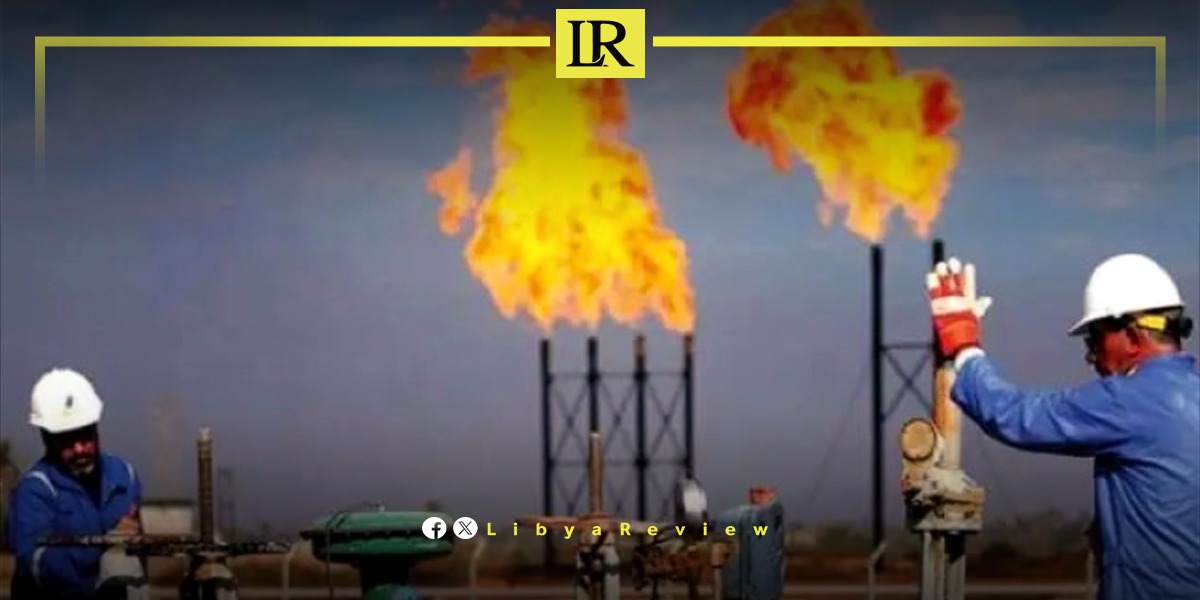
European purchases of Libyan natural gas declined significantly in 2025, falling by nearly one third compared to the previous year, according to an analysis published by RIA Novosti, citing data from the analytical firm Bruegel.
The data showed that the European Union imported 981 million cubic meters of gas from Libya in 2025, representing a year-on-year decline of 31.8 percent. While Libya remains a relatively small supplier within the EU’s overall energy mix, the drop highlights continued volatility in Mediterranean gas flows and shifting European energy strategies.
Overall, the EU imported 313.6 billion cubic meters of natural gas in 2025, down from the previous year. Russian gas supplies fell sharply to 37.99 billion cubic meters, compared with 54.5 billion cubic meters in 2024, a reduction of nearly one third. As a result, Russia dropped to fourth place among the EU’s gas suppliers, with its market share shrinking from 18.3 percent to 12.1 percent.
Norway retained its position as the EU’s largest gas supplier, delivering 97.1 billion cubic meters, accounting for 31 percent of total EU imports, slightly lower than the previous year. The United States ranked second, supplying 82.9 billion cubic meters, a sharp 61.4 percent increase, boosting its market share to 26.4 percent.
The EU also imported substantial volumes from Algeria, totaling 38.6 billion cubic meters, though this marked a 6.6 percent decline year on year. Imports from the United Kingdom rose to 14.1 billion cubic meters, while supplies from Azerbaijan reached 12.3 billion cubic meters, slightly below 2024 levels.
Libya’s reduced gas exports come amid ongoing challenges related to production reliability, infrastructure limitations, and domestic instability, as well as changing European demand patterns. Despite the decline, Libyan gas continues to hold strategic importance within the Mediterranean energy corridor.
In terms of delivery methods, EU imports in 2025 were split between pipeline gas at 169.9 billion cubic meters and liquefied natural gas at 143.7 billion cubic meters, reflecting Europe’s continued reliance on diversified supply routes.

