
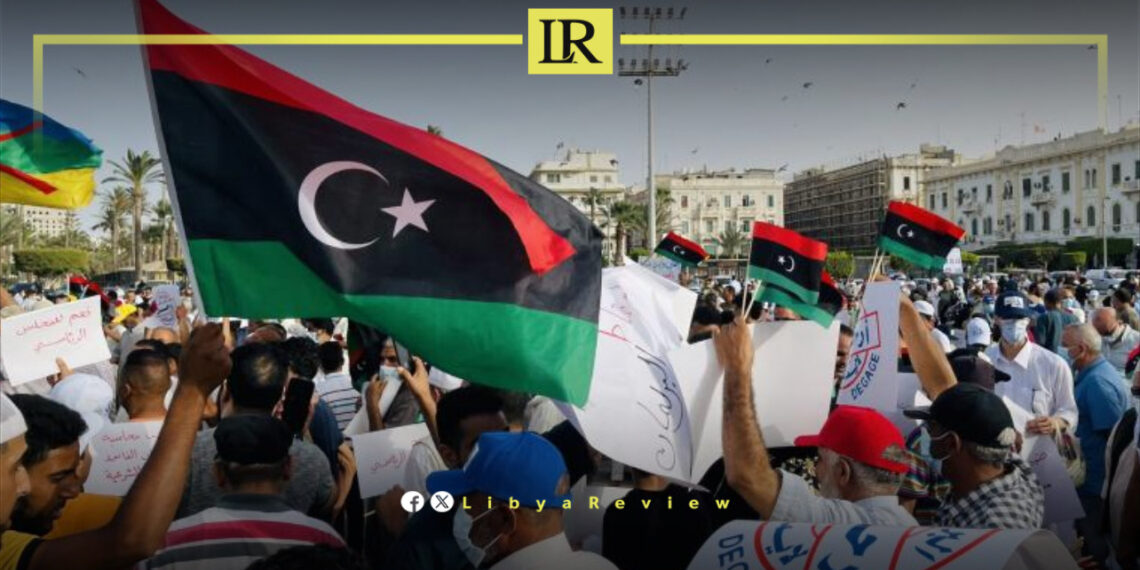
The Tripoli Movement has called for a large-scale, peaceful and organized public mobilization to express firm rejection of Libya’s deteriorating living and economic conditions, demanding an end to the current government and urgent action to halt the collapse in purchasing power and the national currency.
In a statement, the movement said Libya is experiencing a sharp decline in living standards, marked by unprecedented rises in basic commodity prices and the continued fall of the Libyan dinar against the US dollar, with the exchange rate approaching 10 dinars to the dollar.
The group stressed that silence is no longer an option, warning that continued inaction poses a direct threat to citizens’ livelihoods. It said the current crisis is the result of what it described as failed policies, poor governance, and the absence of a responsible economic vision, holding the government and all its institutions fully accountable.
The statement said the Government of National Unity, led by Abdel-Hamid Dbaiba, has failed to protect citizens’ income and maintain economic stability, offering no real solutions to the crisis and instead contributing to its deepening.
The movement also pointed to the spread of corruption, linking it to what it described as weak popular engagement in defending rights and demanding governments that genuinely represent the aspirations of Libyans. It warned that continued passivity and mere complaints, without real action, are contributing to the depletion of state resources.
According to the statement, the current political authorities did not emerge from genuine elections but were imposed as a fait accompli, creating what it called an “illegitimate mandate” that enables corruption and control over state resources in the absence of effective public oversight.
The Tripoli Movement concluded by urging citizens to take part in a responsible, peaceful popular protest to voice categorical rejection of the current situation, calling for the end of the existing government and immediate measures to stabilise the exchange rate and regulate the market.
It said the call is not the demand of a single group, but a nationwide appeal aimed at safeguarding the future of coming generations, urging Libyans not to remain passive at what it described as a decisive moment in the country’s history.

