
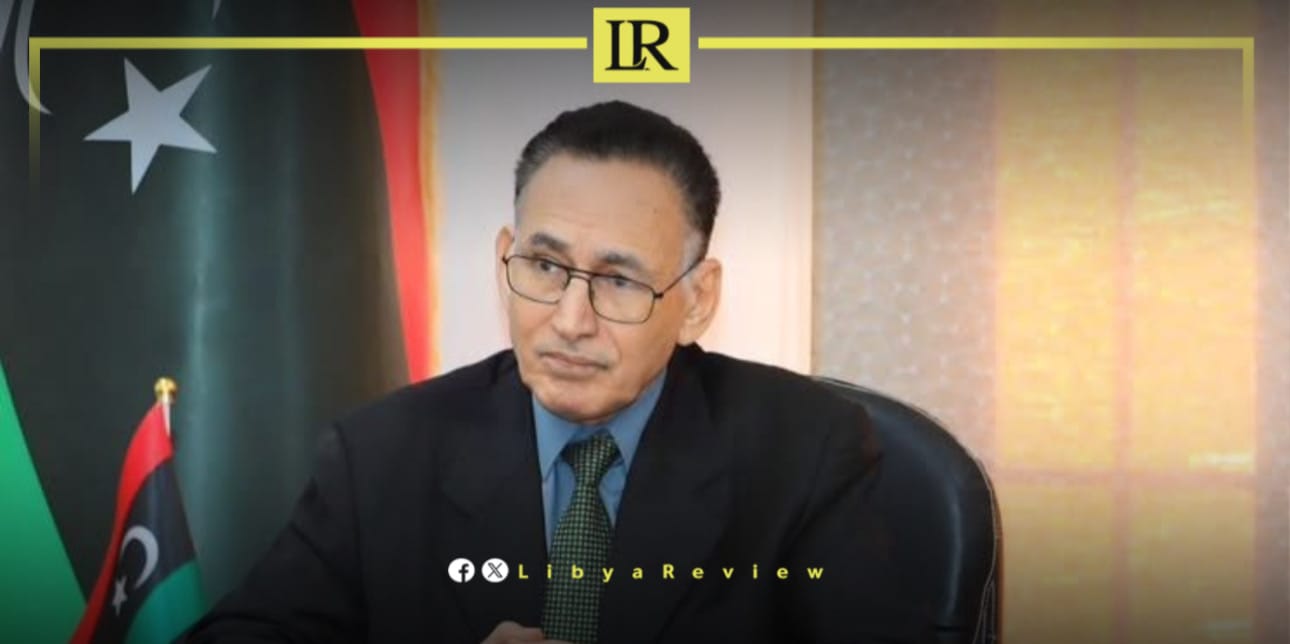
Libya’s Economy Minister Mohamed Al-Hwaij said more than 30 percent of Libyan citizens are now living below the international poverty line, highlighting deep structural imbalances in the country’s economic management and trade policies.
Speaking to Libya Al-Ahrar television, Al-Hwaij said the deterioration in living standards is closely linked to distorted import mechanisms, weak market oversight, and widespread smuggling that drains public resources and undermines economic stability.
The minister criticised the current system for allocating foreign currency for imports, stating that approvals are granted based on booking priority and demand rather than actual market needs. He argued that this approach has allowed major traders to dominate the market, while smaller businesses and consumers bear the consequences.
Al-Hwaij also pointed to what he described as the Central Bank’s monopoly over commercial policy decisions, saying the Ministry of Economy has been largely excluded from assessing domestic market requirements and regulating import volumes.
According to the minister, large quantities of goods are imported far beyond Libya’s real consumption needs, with excess supplies frequently smuggled abroad. He cited sugar imports as a striking example, noting that Libya spends more than $500 million annually on sugar, with per capita consumption exceeding 100 kilograms per year, compared with a global average of around 22 kilograms. He said the surplus is likely being smuggled out of the country.
Al-Hwaij added that Libya has imported luxury items such as mobile phones worth approximately 1.6 billion dinars, much of which he said ends up outside the country through illegal channels.
Fuel and petroleum product smuggling remains one of the most damaging practices, with annual losses estimated at nearly $6 billion. Overall, Al-Hwaij said the Libyan state has suffered losses exceeding $20 billion over the past three years as a result of weak controls, corruption, and parallel markets.
He warned that without urgent reforms, poverty levels could rise further.

