
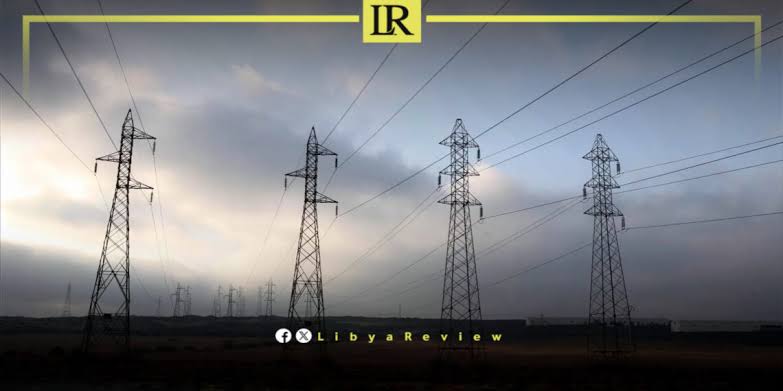
Libya has taken a new step towards modernising its electricity sector after Greece’s power grid operator announced plans to support the development of the country’s power network. According to Reuters, Greece’s Independent Power Transmission Operator (IPTO) will assist Libya in upgrading and digitising its electricity infrastructure as part of broader reconstruction efforts.
IPTO said it signed a memorandum of understanding with the Fund for Development and Reconstruction of Libya in Benghazi, eastern Libya, on January 14. The agreement aims to strengthen technical cooperation between the two sides and address long-standing challenges facing Libya’s electricity network, including ageing infrastructure, frequent outages and limited digital capacity.
In a statement, IPTO explained that the cooperation will focus on preparing technical studies to upgrade and modernise Libya’s power transmission network. The agreement also includes the exchange of expertise and the provision of training services to Libyan technical staff, with the goal of improving operational efficiency and supporting sustainable development in the energy sector.
Libya has struggled for years with electricity shortages and repeated blackouts, which have affected households, public services and economic activity. Officials see international partnerships as a key tool to improve grid reliability and support economic recovery, particularly as the country seeks to rebuild infrastructure damaged by conflict and neglect.
The agreement was signed on the sidelines of a Greek-Libyan development forum held in Benghazi, reflecting growing economic and technical cooperation between Libya and Greece. The forum brought together officials, experts and representatives from both countries to explore opportunities in infrastructure, energy and reconstruction.
For Libya, the partnership with IPTO is expected to contribute to the modernisation of its electricity network through advanced digital systems, improved grid management and capacity building for local engineers. These measures are seen as essential to reducing power losses, improving service stability and supporting wider development plans.
The move also signals Libya’s intention to diversify its international partnerships in the energy sector, as authorities look to modern solutions to meet rising electricity demand and support long-term economic reconstruction.

