
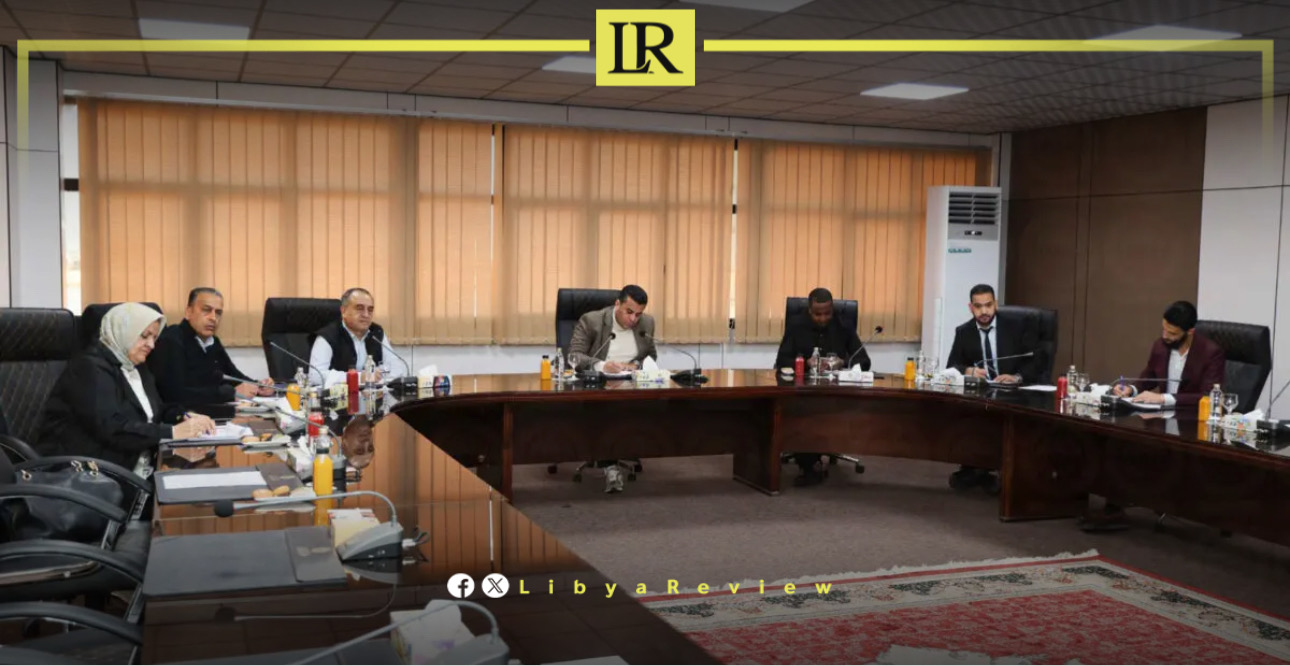
Libya’s House of Representatives has intensified efforts to address the country’s prolonged financial crisis, as a special parliamentary committee continues its investigation into the causes of cash shortages, exchange rate fluctuations, and delays in the payment of public sector salaries.
The committee, formed under Resolution No. (2) of 2026, held its fifth meeting on Saturday via video conference with the Attorney General, Counsellor Al-Siddiq Al-Sour. The session is part of a series of consultations aimed at coordinating with key institutions and reviewing the legal and institutional dimensions of the ongoing monetary and fiscal turmoil.
According to a statement, the committee is mandated to engage with the Governor and Board of Directors of the Central Bank of Libya, as well as other relevant authorities, to identify the root causes of the liquidity crisis, pinpoint structural weaknesses, and develop practical solutions to mitigate its impact on citizens and the national economy.
These efforts come amid mounting economic pressures, with widespread public and official calls for urgent and sustainable measures to stabilise the financial system and ensure the regular payment of state employees’ salaries.
Libya has been grappling for years with a persistent monetary crisis, marked by severe shortages of cash in commercial banks, sharp fluctuations in the Libyan dinar’s exchange rate, and intermittent delays in salary disbursements across several sectors. These challenges have had a direct effect on living standards and market stability.
The formation and active work of the parliamentary committee reflect growing official concern over monetary policy and the management of the Central Bank, particularly in the aftermath of institutional divisions and amid escalating domestic economic pressures, compounded by regional and international developments.
Coordination with the Office of the Attorney General is seen as a key step toward strengthening accountability and transparency, linking financial oversight with legal scrutiny in an effort to address the underlying causes of the crisis rather than merely its symptoms.

