
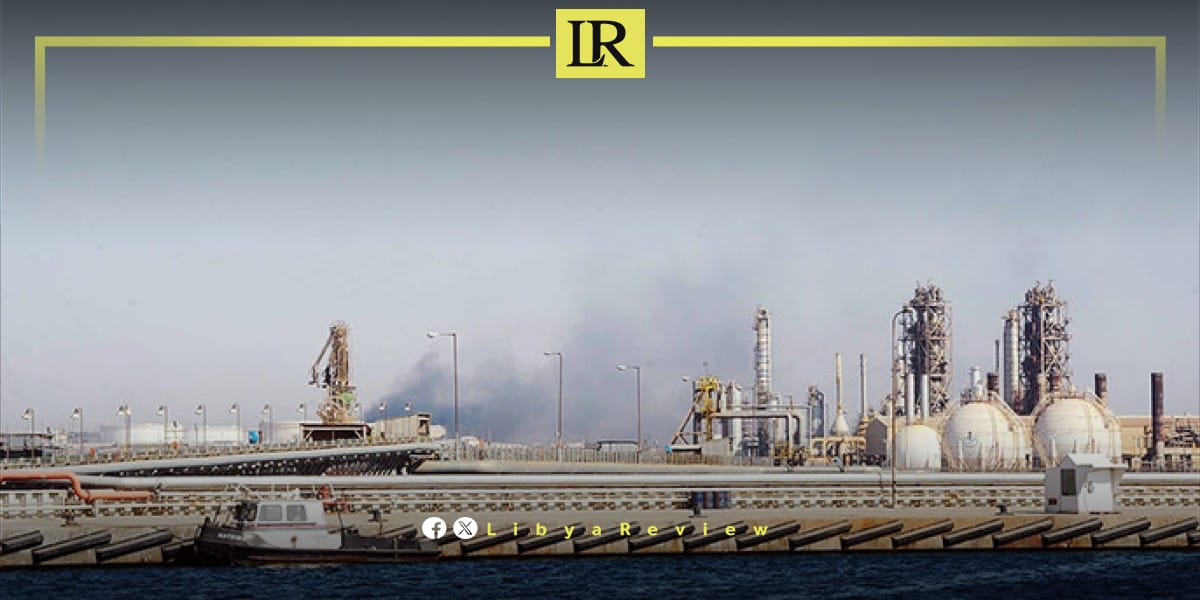
Operations at four Libyan oil ports were halted on Sunday due to poor weather conditions, four engineers told Reuters, disrupting exports from key facilities along the country’s Mediterranean coast.
The engineers said operations were suspended at the ports of Ras Lanuf, Zueitina, Brega and Es Sider, all of which play a central role in Libya’s crude oil export system. Bad weather, including high winds and rough seas, prevented tankers from loading safely.
Libya’s oil sector remains highly sensitive to logistical disruptions, even as production levels have stabilised in recent months. Temporary shutdowns at export terminals can quickly affect shipment schedules and state revenues, which depend almost entirely on hydrocarbon exports.
Despite the weather-related halt, Libya recorded strong oil revenues in December, reaching approximately $1.295 billion, according to data from the Central Bank of Libya. The figures highlight the sector’s continued importance to the national economy amid ongoing political and security challenges.
Oil and Gas Minister Khalifa Abdulsadek said during the Abu Dhabi International Petroleum Exhibition and Conference in 2025 that Libya aims to significantly raise its oil output in the coming years. The country is targeting production of 1.6 million barrels per day in 2026, increasing to 1.8 million barrels per day in 2027.
Libya ultimately hopes to reach production of two million barrels per day within five years, compared with current output of around 1.4 million barrels per day. Achieving these targets will require sustained investment, improved infrastructure and operational stability.

