
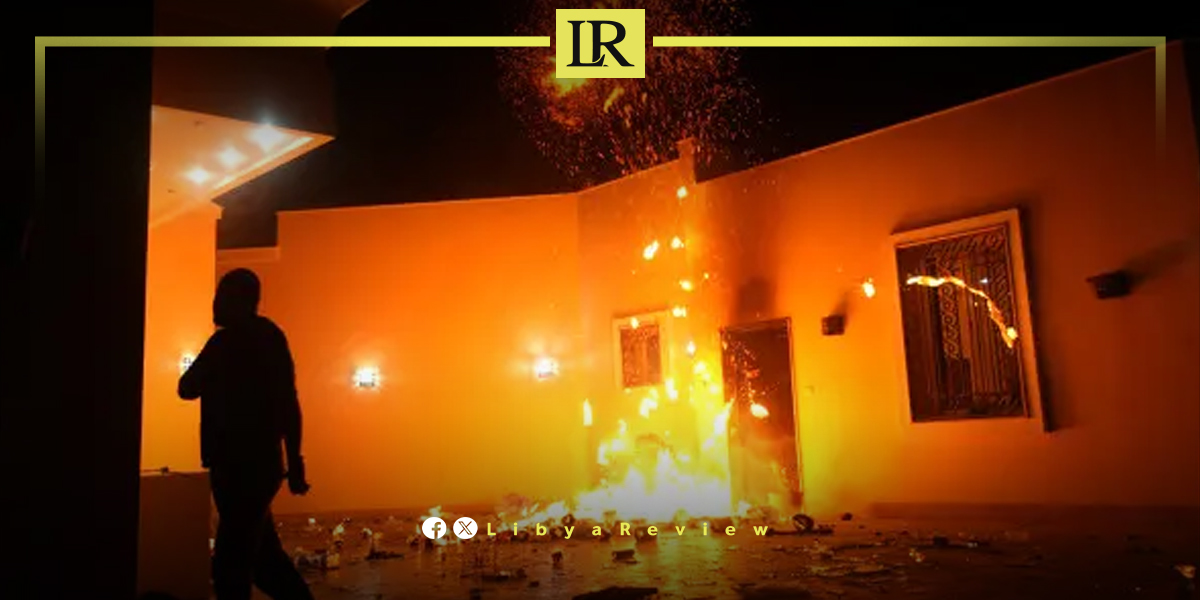
More than a decade after Libya’s armed uprising, the country continues to grapple with the enduring influence of networks forged during years of conflict. While some figures linked to violence and extremism have faced prosecution abroad, the broader system that enabled their rise has largely remained intact, allowing political, media, and security actors to adapt rather than disappear.
Recent developments in the United States, including the prosecution of individuals linked to armed groups active in Benghazi after 2011, have once again drawn attention to the long-term consequences of Libya’s failure to pursue a comprehensive process of accountability. These cases highlight how certain militant actors were eventually removed from the scene through international legal action, even as the environments that sustained them were never fully dismantled inside Libya.
During the post-revolutionary years, armed groups such as Ansar al-Sharia and the Benghazi Revolutionaries Shura Council operated not only through force, but also through media platforms that shaped public narratives and reframed violence as revolutionary legitimacy. These narratives played a crucial role in blurring distinctions between political activism, armed extremism, and public authority.
As Libya’s political landscape evolved, several individuals associated with these media efforts transitioned into formal political roles. One of the most notable examples is Walid Al-Lafi, who moved from a prominent media position during the conflict years to becoming a senior figure within the Government of National Unity. His rise reflects a broader Libyan pattern in which wartime affiliations were not fully scrutinized as the country attempted to build post-conflict institutions.
This continuity has raised persistent questions about Libya’s transition. While international actors focused on elections, power-sharing arrangements, and short-term stability, deeper issues related to transitional justice and political vetting were repeatedly postponed. As a result, former conflict-era networks were able to rebrand themselves as political, administrative, or reconciliation actors without a clear reckoning with their past roles.
The consequences of this approach are still visible today. Libya’s governance remains fragmented, public trust in institutions is weak, and political legitimacy is often contested. Critics argue that without confronting the legacy of armed groups, propaganda, and opportunistic alliances, Libya risks perpetuating cycles of instability rather than resolving them.
The contrast between accountability pursued abroad and silence maintained at home underscores one of Libya’s central dilemmas. Justice applied selectively and externally may remove individual actors, but it does little to address the structural conditions that allowed violence and influence to merge in the first place. Until Libya develops a credible, nationally owned process to address this legacy, the past will continue to shape the present, limiting prospects for genuine political renewal and long-term stability.

