
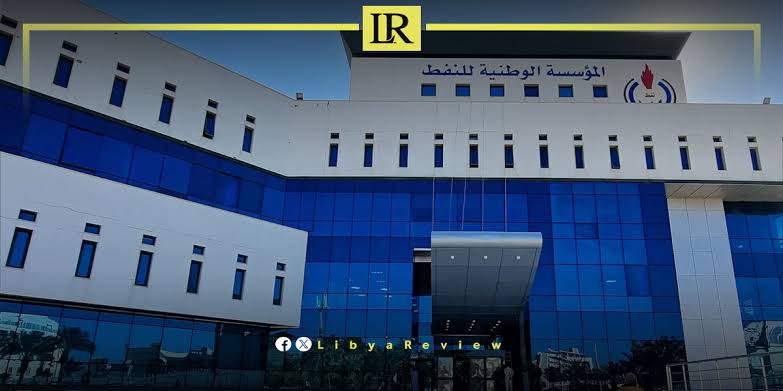
Libya’s National Oil Corporation has disclosed a sharp and accelerating deficit in its salary bill over the past three years, underscoring growing financial pressure on one of the country’s most critical state institutions.
According to an internal financial document submitted by the corporation as part of its proposed 2026 financial arrangements, cumulative financial commitments reached 31.25 billion Libyan dinars across 2023, 2024, and 2025. The document highlights a particularly steep rise in the wage bill deficit, reflecting widening gaps between approved spending obligations and available funding.
Figures detailed in the document show that the salary deficit stood at LYD 180 million in 2023, before surging to LYD 747 million in 2024. The shortfall then escalated sharply in 2025 to LYD 1.25 billion, bringing the total salary deficit over the three-year period to LYD 2.18 billion. The year-on-year increases point to mounting structural pressure on payroll financing and limited fiscal flexibility.
The corporation attributed the deficit primarily to the implementation of a large-scale training and recruitment programme for more than 7,000 graduates, combined with continued spending under the restrictive 1/12 budget mechanism based on the 2023 allocation. This approach, the document notes, significantly expanded financial commitments without providing sufficient funding coverage.
As a result, the salary chapter recorded the fastest growth in deficit among all expenditure items, highlighting broader challenges linked to budget constraints, workforce expansion, and the sustainability of public sector payrolls in Libya’s oil industry.
The disclosure comes amid ongoing debates over public spending controls, delayed budget approvals, and the financial management of state-owned institutions, raising questions about how future wage obligations will be met without structural budget reforms.

