
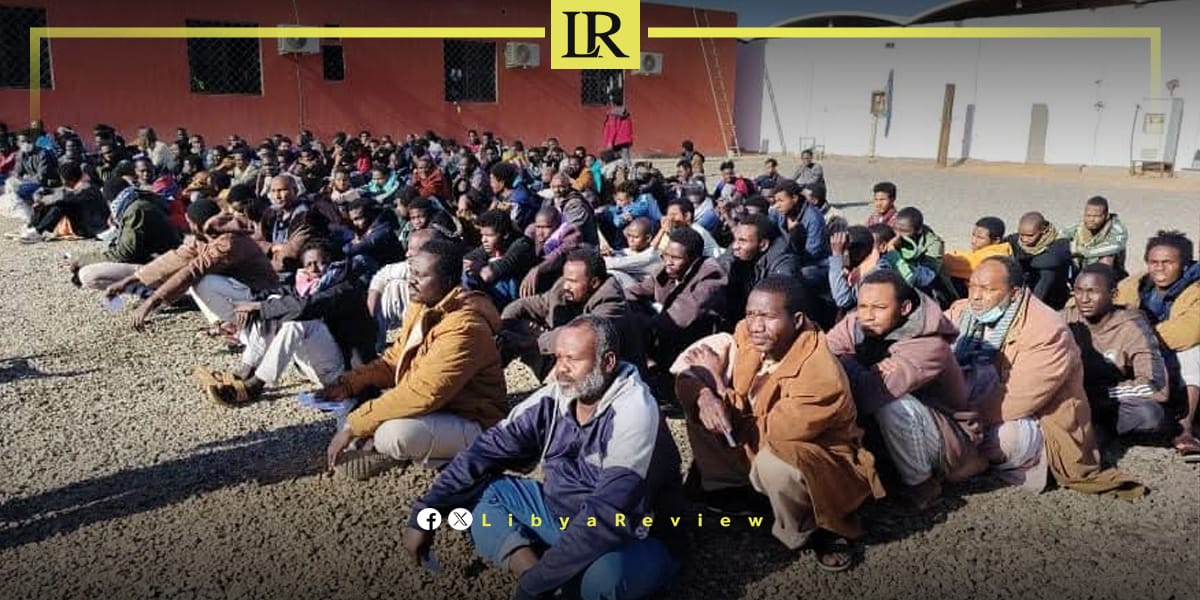
Libya’s Department for Combating Illegal Migration has carried out new deportation operations involving dozens of irregular migrants, as part of wider efforts to strengthen public security and curb illegal migration flows.
In an official statement, the department said its Kufra branch deported 140 irregular migrants holding Chadian nationality. The group included individuals with recorded security restrictions, as well as others suffering from infectious diseases, according to the statement.
The department explained that the deportations were conducted after completing all required legal procedures and medical examinations. Authorities said the measures were aimed at ensuring that returns were carried out in an orderly and regulated manner, in line with existing laws and health protocols.
Officials added that the latest operation forms part of ongoing efforts to protect public health, maintain security stability, and address the growing challenges posed by irregular migration across Libya’s vast southern and eastern regions.
In a related development, the department’s leadership confirmed the deportation of 26 irregular migrants of Egyptian nationality through the Umm Saad land border crossing. Among those deported were individuals subject to expulsion orders issued by the Public Prosecution.
The group also included several irregular migrants detained for violating residency regulations, two women arrested in connection with begging cases, and a child, the statement said. Authorities stressed that each case was handled according to legal and humanitarian considerations.
The department reaffirmed that these actions fall within a broader national plan to tighten security control over border crossings and regulate the status of foreign nationals residing illegally inside the country.
Libya remains a major transit point for migrants seeking to reach Europe, with authorities facing mounting pressure to manage migration flows, secure borders, and address humanitarian concerns amid limited resources and ongoing political challenges.

