
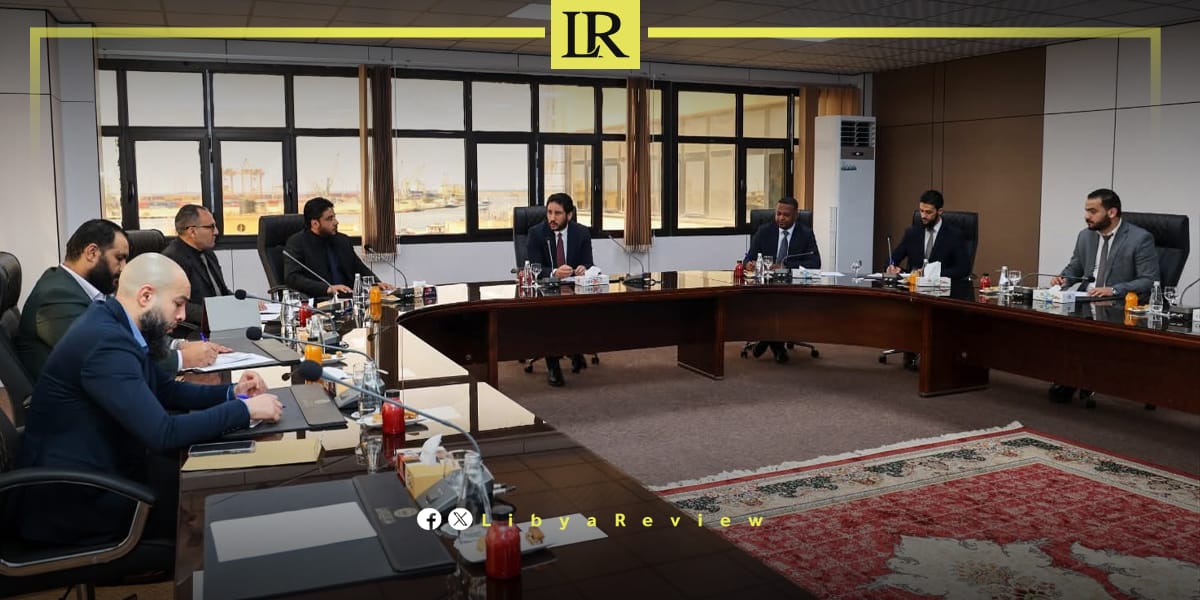
Libya’s parliament-appointed committee investigating the country’s cash shortage and exchange rate pressures has held its seventh meeting in Benghazi, as efforts intensify to address the ongoing financial crisis.
The committee was formed under House of Representatives Decision No. (2) of 2026. It is tasked with engaging the governor and board of the Central Bank of Libya, along with relevant institutions, to determine the causes of the liquidity crisis, stabilise the exchange rate and ensure the regular payment of public sector salaries.
During the meeting, committee members met with the head of the National Anti-Corruption Commission, Ajdid Motuoq Ajdid, in the presence of several senior officials from the commission. Discussions focused on files linked to the current financial crisis and the commission’s role in monitoring potential violations within financial institutions.
The two sides also exchanged information on oversight mechanisms and anti-corruption tools. These measures are seen as critical to identifying structural weaknesses in Libya’s financial system and restoring public confidence in state institutions.
Committee members stressed the importance of strengthening cooperation with the National Anti-Corruption Commission at what they described as a sensitive stage for the Libyan economy. They said effective coordination could help uncover the roots of monetary imbalances and support parliamentary oversight efforts.
The talks also covered procedures related to the functioning of the Central Bank of Libya and other financial bodies. Lawmakers are seeking clearer data on monetary management, foreign exchange policies and cash distribution across the country.
Libya has faced persistent liquidity shortages in recent years, despite high oil revenues. Delays in salary payments and exchange rate instability have fuelled public frustration and economic uncertainty.
The parliamentary committee said its work aims to promote transparency in public finance management, combat corruption and contribute to long-term financial stability. Further meetings with financial and regulatory institutions are expected as the investigation continues.

