
Libya’s oil sector is facing a striking contradiction amid the recent rise in global oil prices. While the country is theoretically benefiting from higher crude and gas prices, it is not fully capitalizing on the surge due to long-standing structural weaknesses in the management of its oil and energy sectors.
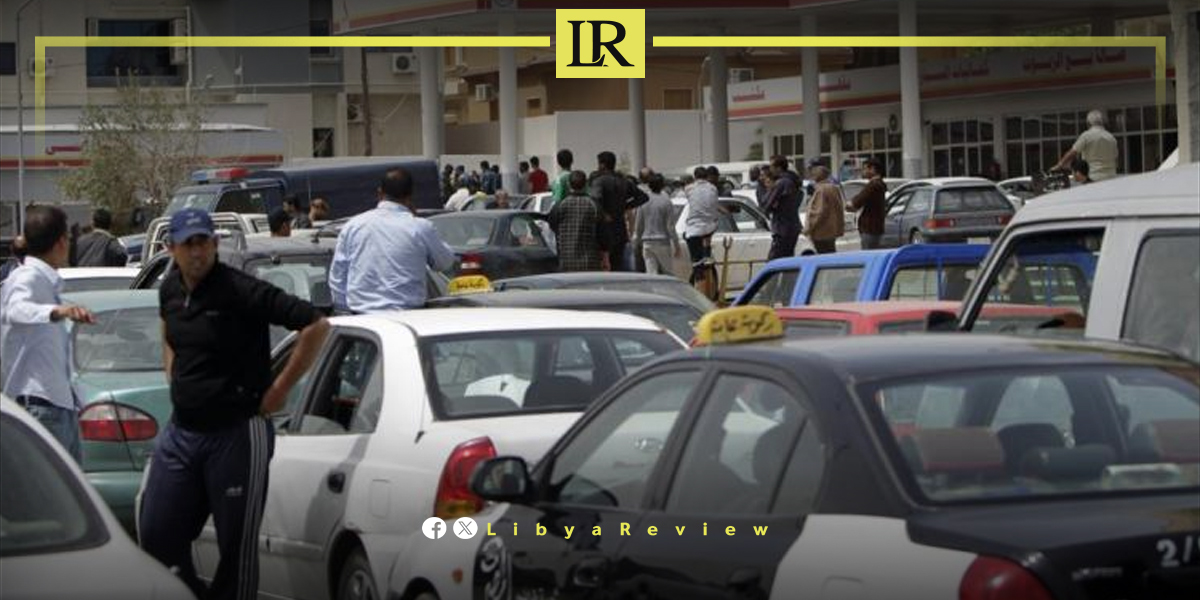
Despite being an oil-producing nation for more than six decades, Libya continues to rely heavily on imported fuel products, particularly gasoline. This dependency has significantly limited the real gains from higher crude prices. As a result, the increase in global oil revenues has not translated into tangible improvements for citizens, who continue to face recurring fuel shortages and long queues at filling stations in several cities — a scene that starkly contrasts with the country’s vast energy wealth.
The root of this imbalance lies largely in the absence of long-term strategic planning, especially in the refining sector. Over the past five decades, Libya missed major opportunities to build and modernize refineries capable of meeting domestic demand and generating surplus refined products for export. Instead of investing in downstream industries and value-added oil processing, policies continued to focus on exporting crude oil and importing refined products, depriving the economy of sustainable revenue streams.
Past centralized decisions, political gridlock, and delayed projects further hindered the establishment of new refineries across different regions. Although several initiatives were proposed, weak political will and institutional fragmentation kept Libya dependent on costly imports, draining oil revenues.
At the same time, global oil price volatility — driven by geopolitical tensions and regional conflicts — affects Libya disproportionately. While price increases raise nominal revenues, they do not automatically strengthen infrastructure or improve sector performance. Production remains below potential, ports require upgrades, and maintenance needs are ongoing.
A significant portion of oil income continues to be allocated to public sector salaries, with limited transparency regarding broader development spending. Investment in refinery upgrades, infrastructure modernization, and technical capacity remains insufficient.
Ultimately, meaningful reform in Libya’s oil sector requires a comprehensive long-term strategy, substantial domestic and foreign investment, and political stability. However, ongoing institutional division and political fragmentation remain major obstacles to effective management of oil wealth and sustainable economic development.

