
Ramadan in Libya is traditionally a time of celebration, family gatherings, and generous meals shared before and after the daily fast.
This year, however, festive lights and fireworks have been overshadowed by soaring prices, fuel shortages, and mounting economic pressure on households already strained by years of political division.
Fifteen years after the fall of Muammar Gaddafi, Libya remains politically divided between rival administrations in the east and west. Despite possessing Africa’s largest proven oil reserves, the country continues to face recurring financial instability, liquidity shortages, and disruptions in basic services.
In Tripoli, many bank customers have found automated teller machines empty, while supermarkets have limited the quantities of essential goods that shoppers can purchase. Several fuel stations have also reported supply shortages, forcing drivers to queue for hours.
Ramadan traditionally brings increased household spending, as families prepare elaborate meals to break the fast at sunset and gather again before dawn. Yet this year, rising costs have significantly altered consumer behavior.
The price of cooking oil has doubled in recent weeks, while meat and poultry prices have climbed by nearly 50 percent. Subsidized cooking gas, officially priced at a modest rate, has become scarce, with black-market prices multiplying several times over.
Last month, Libya’s Central Bank devalued the dinar by nearly 15 percent, marking the second devaluation within a year. Authorities said the decision was necessary to preserve monetary stability and safeguard public finances. However, many residents argue that the move has weakened purchasing power and accelerated inflation, compounding daily hardships.
Libya’s interim prime minister, Abdulhamid Dbaiba, acknowledged that currency adjustments have placed additional burdens on citizens. Meanwhile, Hanna Serwaa Tetteh, head of the United Nations Support Mission in Libya, warned the UN Security Council that poverty and social pressures are increasing.
She cautioned that sustained economic strain, combined with a fragile security environment, could trigger new political and security tensions.
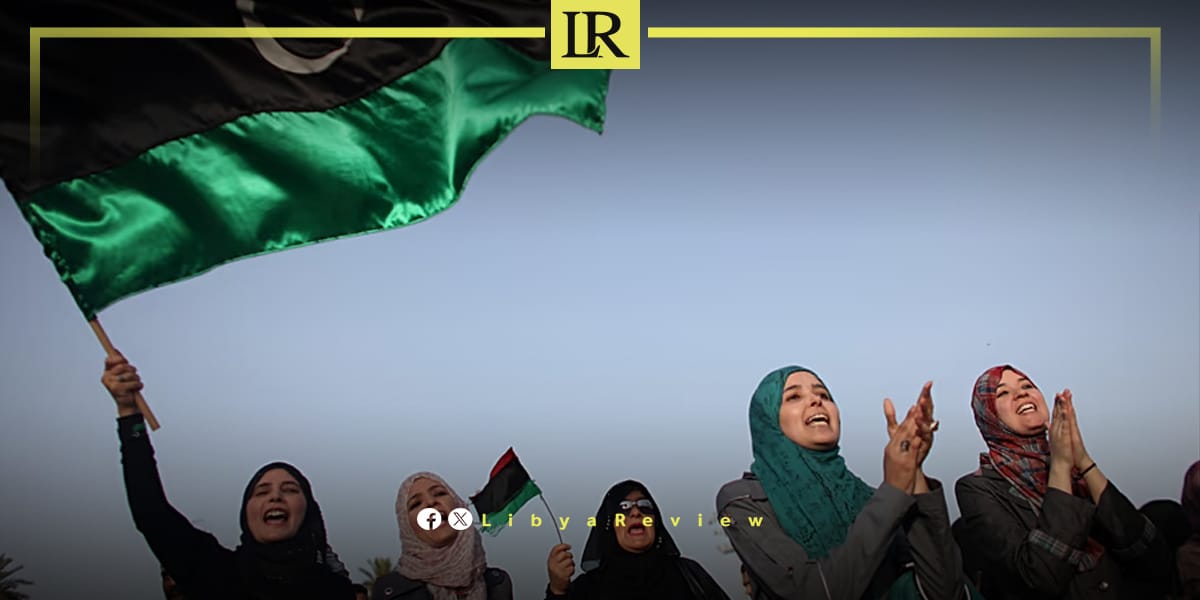
Although relative calm has prevailed in recent years compared to earlier periods of conflict, economic challenges remain at the forefront of public concern. As fireworks marked the anniversary of the 2011 uprising, many Libyans reflected that while visible security improvements have been made, the struggle to secure stable incomes, affordable goods, and reliable services continues to define daily life.

