
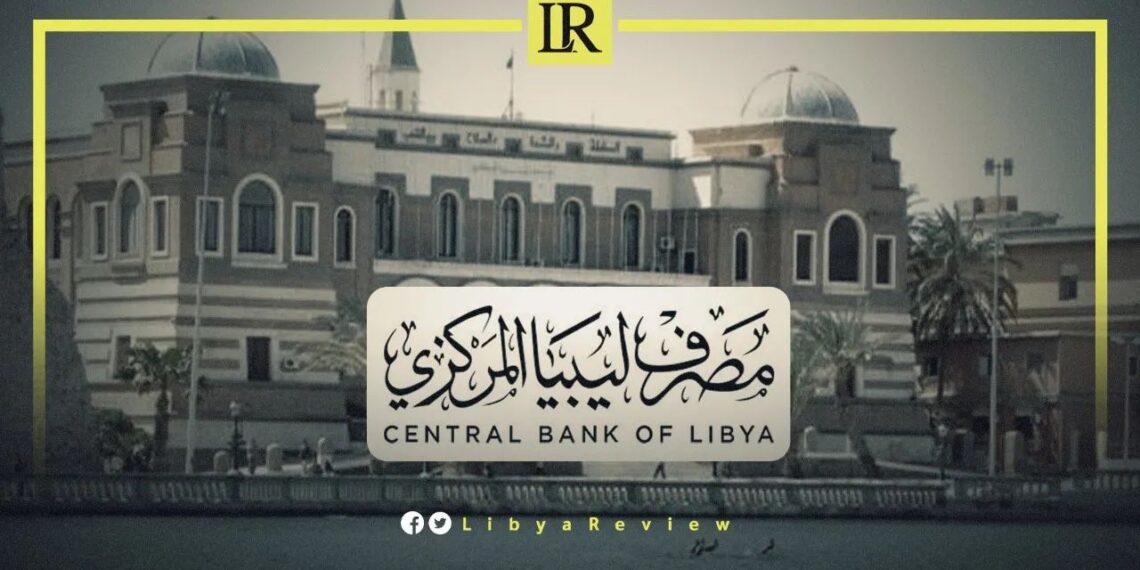
The Central Bank of Libya (CBL) has decided to resume foreign currency sales through its personal purposes platform, preparing to inject approximately $1.6 billion into the market in a bid to ease mounting pressure on the Libyan dinar and restore relative stability to exchange rates.
According to informed sources, the system will officially reopen on Sunday, allowing citizens to access foreign currency through regulated banking channels. The move is designed to meet rising demand for hard currency and reduce reliance on the parallel market, which has driven sharp exchange rate fluctuations in recent weeks.
The US dollar has reportedly climbed to nearly 10.45 dinars on the black market, intensifying concerns over inflation and purchasing power.
The planned $1.6 billion injection will primarily cover personal foreign currency requests submitted by individuals. By increasing the official dollar supply, the Central Bank aims to narrow the widening gap between official and parallel exchange rates, while limiting speculative trading activity that has contributed to volatility.
In addition, the bank has already begun allocating around $500 million in foreign currency for letters of credit to support import operations. This step is intended to secure the flow of essential goods and raw materials into the country, preventing potential shortages and further price increases in local markets.
The Central Bank also confirmed its readiness to inject approximately 5 billion dinars in liquidity to cover February public expenditures, including salaries for state employees and family allowance payments. These funds are expected to be disbursed in the coming days to maintain regular payment cycles and safeguard social stability.

