
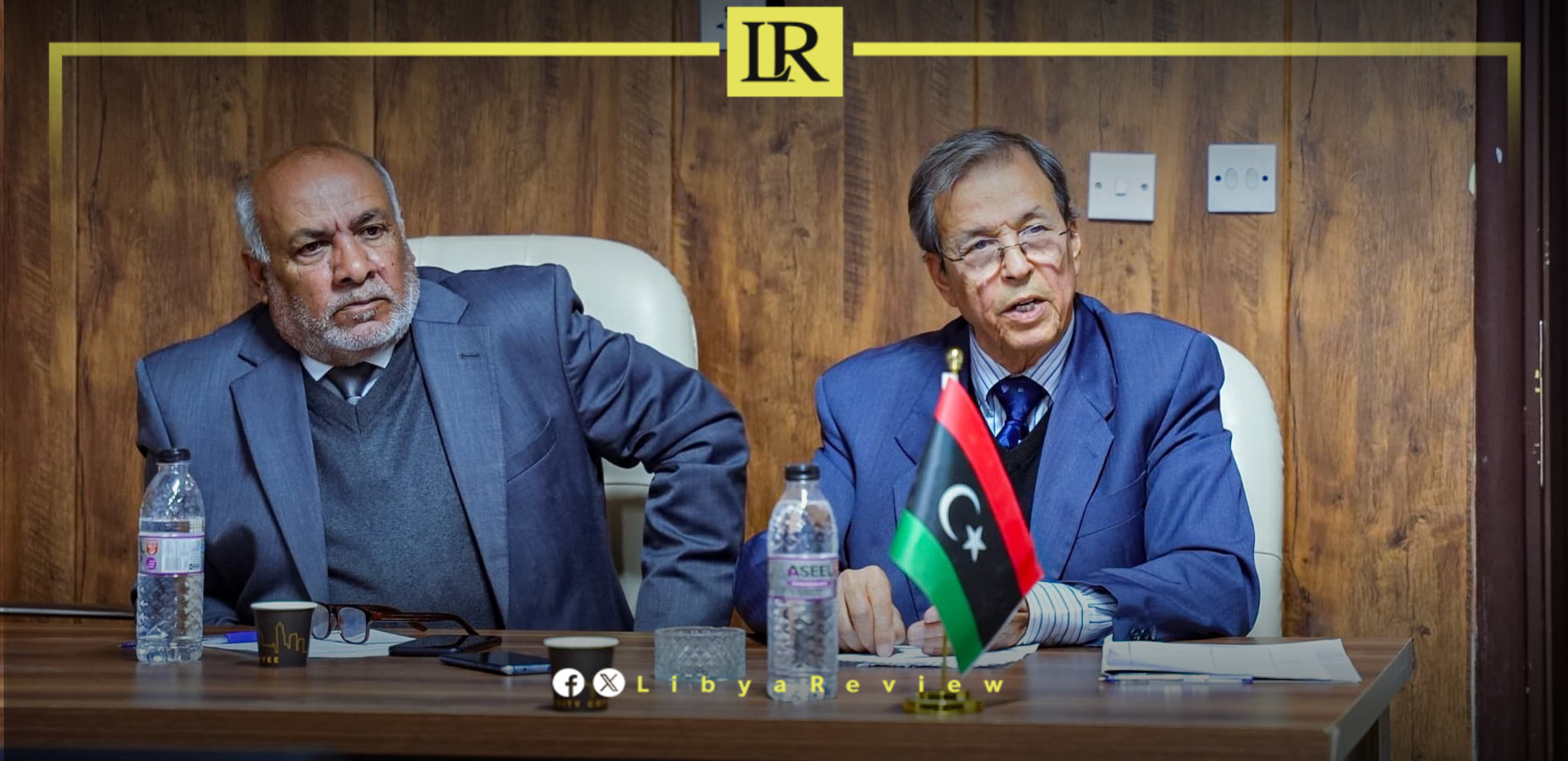
The Libyan Ministry of Foreign Affairs and International Cooperation hosted its second political salon during the holy month of Ramadan to discuss the economic and social consequences of rising prices in Libya.
The event was held under the title “Rising Prices and Their Impact on the Social and Economic Structure of the Libyan State” and was organized under the direction of Foreign Minister Abdel Hadi Al-Hwaij.
The salon formed part of the ministry’s initiative to encourage national dialogue on pressing economic and social challenges facing the country. Organized by the ministry’s advisory office, the discussion brought together economists, academics, and social science experts who presented analytical papers examining the current economic situation and the impact of inflation on citizens’ living conditions.
Among the speakers were Libyan economists Helmi Al-Qamati and Atiyah Al-Fitouri, who presented research and analysis addressing the causes of rising prices and their broader implications for Libya’s economy.
Participants highlighted several contributing factors, including market imbalances, disruptions in supply chains, currency pressures, and the influence of global economic developments on domestic markets.
The discussions focused on how inflation is affecting purchasing power and increasing pressure on households across Libya. Experts warned that sustained price increases could have direct consequences for social stability and economic recovery if not addressed through effective policy responses.
Participants emphasized that Libya needs balanced economic policies capable of addressing inflation while maintaining market stability and supporting the country’s development and reconstruction efforts. They stressed the importance of improving market regulation, strengthening supply chains, and enhancing economic governance to mitigate the effects of rising prices.
The event concluded with a set of practical recommendations aimed at assisting government institutions in shaping economic reform strategies that promote long-term stability and sustainable growth. Speakers also underlined the need for continued dialogue between policymakers, researchers, and economic experts.

