
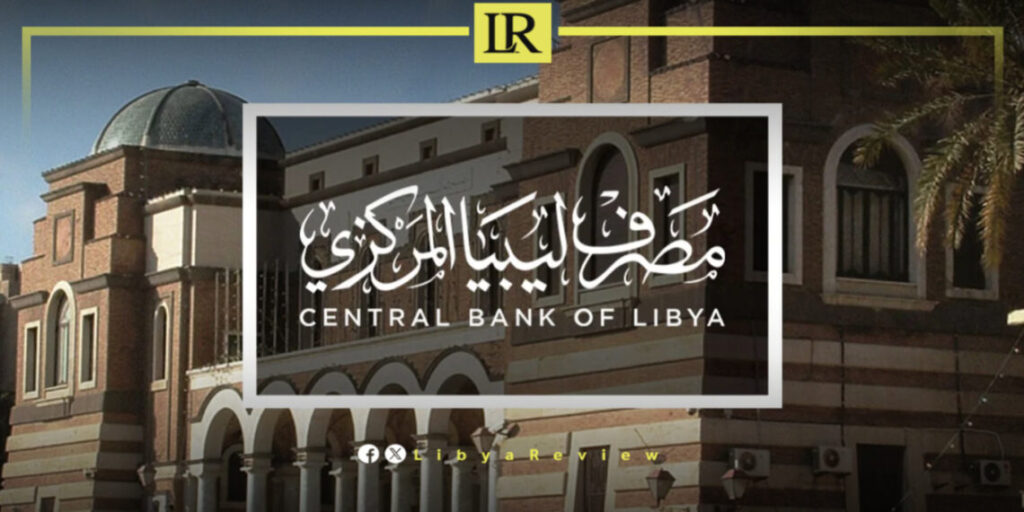
The Central Bank of Libya has issued new regulations governing electronic payment services and digital wallets, as part of broader efforts to expand digital financial services and regulate electronic transactions across the country.
The new instructions allow licensed electronic payment companies to issue electronic wallets (e-wallets) for foreign residents living in Libya. The measure aims to improve financial inclusion and facilitate digital payments for expatriates working or residing in the country.
According to the central bank, the move forms part of a strategy to promote modern payment systems and reduce reliance on cash transactions. By expanding access to e-wallet services, authorities hope to enhance financial efficiency and strengthen oversight of digital financial activity.
The regulations also introduce specific daily transfer limits for transactions conducted through electronic wallets.
For Libyan citizens, the maximum daily transfer limit between individuals has been set at 100,000 Libyan dinars. Transfers from individuals to companies are capped at 500,000 dinars per day, while transactions between companies may reach up to 2 million dinars daily.
The central bank said these limits were designed to regulate electronic financial activity while allowing businesses and individuals to carry out large transactions through digital channels.
For foreign residents in Libya, the daily transfer limits are lower. Individual-to-individual transfers are capped at 50,000 dinars per day. Transfers from individuals to companies may reach a maximum of 100,000 dinars daily.
Officials say the new framework aims to balance financial flexibility with regulatory oversight, ensuring that digital payment systems operate within clear legal guidelines.
The Central Bank stressed that the regulations apply only to licensed electronic payment companies operating under its supervision.
Libya has been gradually expanding its digital payment infrastructure in recent years, as authorities seek to modernise the financial sector and encourage wider adoption of electronic payment tools among citizens, businesses and foreign residents.
The bank reaffirmed its commitment to strengthening transparency and regulatory supervision while supporting the development of secure digital financial services across Libya.

