
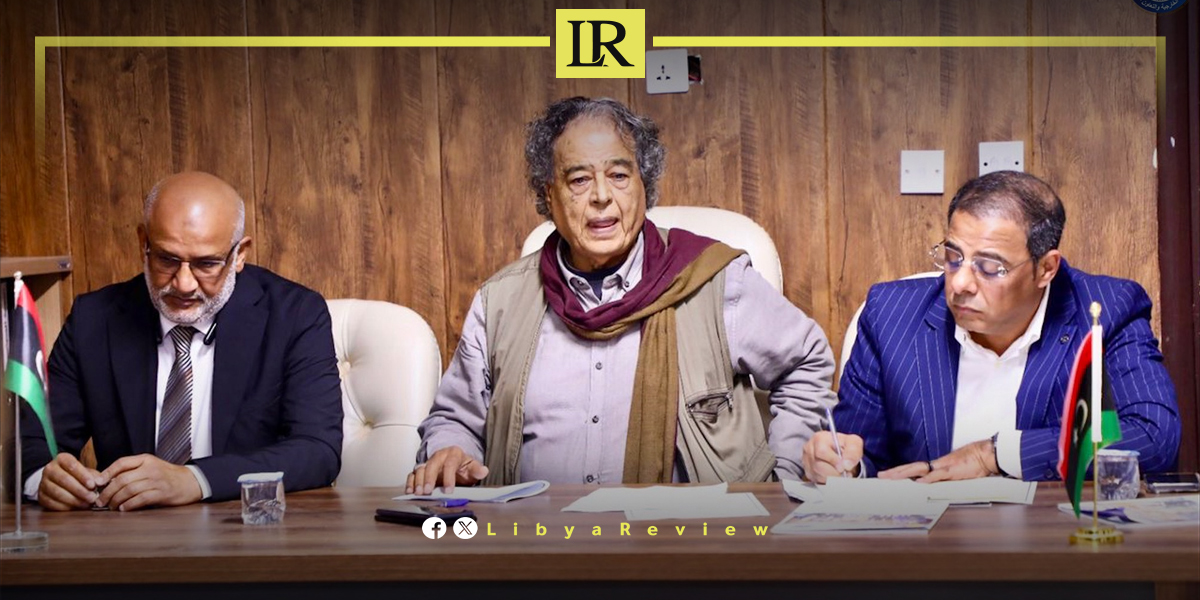
The Ministry of Foreign Affairs and International Cooperation of the Libyan government organized its third Ramadan political salon in Benghazi, focusing on national reconciliation and its role in restoring stability, ending political division, and strengthening state institutions.
The event was held as part of the ministry’s Ramadan program aimed at organizing political salons and encouraging dialogue among academics, researchers, and public affairs observers. The gathering brought together a number of university professors, analysts, and specialists to discuss issues related to national reconciliation and Libya’s path toward long-term stability.
The salon was organized within the broader framework of dialogue initiatives supported by the Prime Minister of the Libyan Government-designate Osama Hammad. These discussions seek to create a platform for open debate among intellectuals and researchers on the challenges facing Libya and possible approaches to national reconciliation.
Academic Papers Address Hate Speech and Media Influence
During the sessions, participants presented several academic papers addressing key themes related to national reconciliation. Among the topics discussed were the impact of hate speech and the influence of media narratives in shaping public opinion during periods of political tension.
Researchers highlighted how media discourse can either deepen social divisions or contribute to reconciliation efforts depending on how information is presented. Participants noted that responsible media coverage and balanced public discourse are essential elements in reducing political polarization and supporting national unity.
Several presentations also explored the concept of national reconciliation itself, emphasizing its importance in addressing the consequences of Libya’s prolonged political and social divisions. Speakers argued that reconciliation remains a central component in rebuilding trust between communities and restoring confidence in state institutions.
Intellectual Dialogue on Strengthening Stability
The salon included open discussions among academics, experts, and participants interested in public affairs. These conversations examined different perspectives on mechanisms that could strengthen reconciliation efforts and support Libya’s transition toward stability.
Participants also discussed the role of intellectuals, journalists, and political actors in promoting dialogue, tolerance, and social cohesion. Many speakers stressed that encouraging constructive debate and reducing inflammatory rhetoric could help narrow divisions within Libyan society.
According to organizers, the Ramadan salon is part of a continuing series of political dialogue forums hosted by the Ministry of Foreign Affairs and International Cooperation over recent years. The initiative seeks to provide a platform for exchanging ideas among Libya’s academic and intellectual communities across different regions of the country.
Officials noted that these discussions aim to strengthen national dialogue, encourage intellectual engagement, and build bridges of understanding among the various components of Libyan society as the country continues efforts to overcome political fragmentation and move toward a unified and stable state.

