
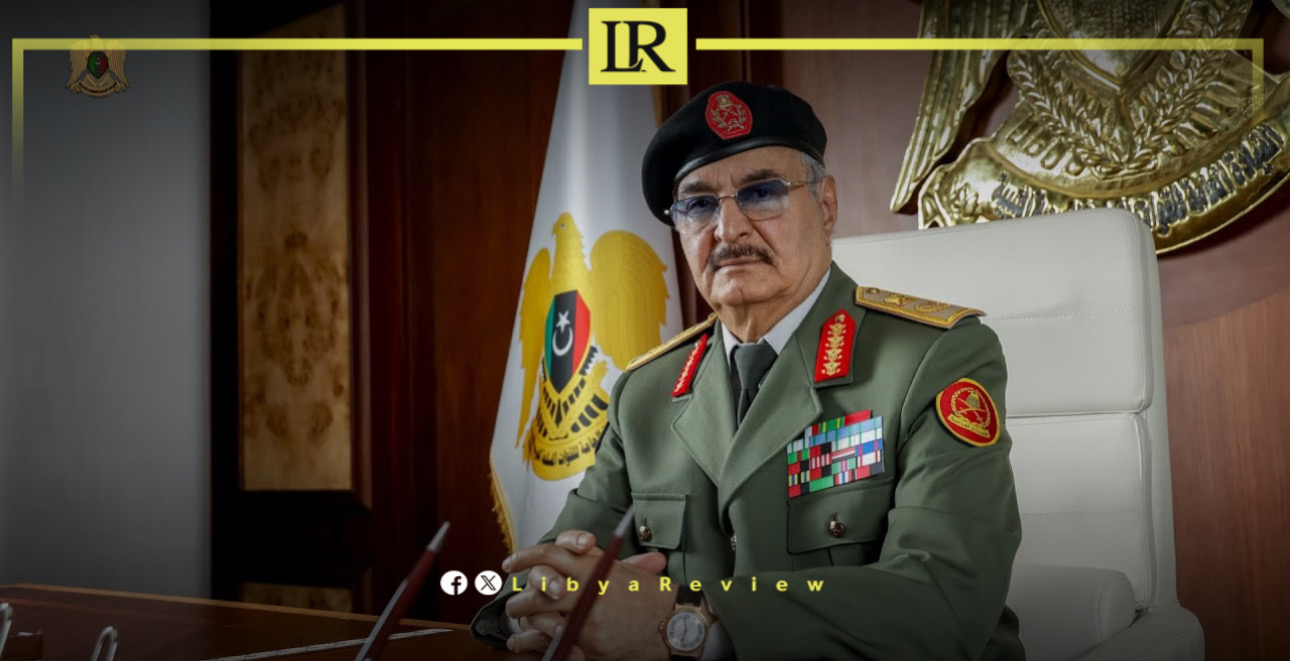
US counterterrorism researcher Sarah Adams has highlighted the role of forces led by Field Marshal Khalifa Haftar in confronting extremist groups in Libya, particularly during military operations in the eastern region following the 2012 attacks in Benghazi.
In remarks published on the social media platform X, Adams said that operations carried out by the Libyan National Army played a significant role in weakening organizations such as ISIS and Al-Qaeda affiliates. She described developments in eastern Libya as a turning point that contributed to reducing violence and limiting the expansion of extremist networks.
Adams stressed that counterterrorism efforts should be assessed based on facts on the ground, warning against narratives that overlook the distinction between forces fighting extremist groups and those accused of enabling or tolerating them. She said that some accounts minimize the scale of sacrifices made during these operations, while promoting what she described as incomplete or misleading interpretations of events.
She also pointed to findings from years of research into the situation in Benghazi, noting that the period of extremist control was marked by serious abuses and widespread suffering. According to Adams, many of these violations have not received sufficient international attention, despite their impact on civilians and local communities.
The researcher warned that continued control of eastern Libya by extremist groups could have turned the region into a base for broader terrorist activity, with potential consequences for both regional and international security. She argued that preventing such a scenario was a key outcome of the military campaigns carried out during that period.
Adams emphasized the importance of maintaining an accurate understanding of Libya’s recent history, cautioning that distorted narratives could undermine efforts to address extremism effectively. She said that acknowledging the realities of the conflict is essential to supporting long-term stability and counterterrorism strategies in Libya.

