
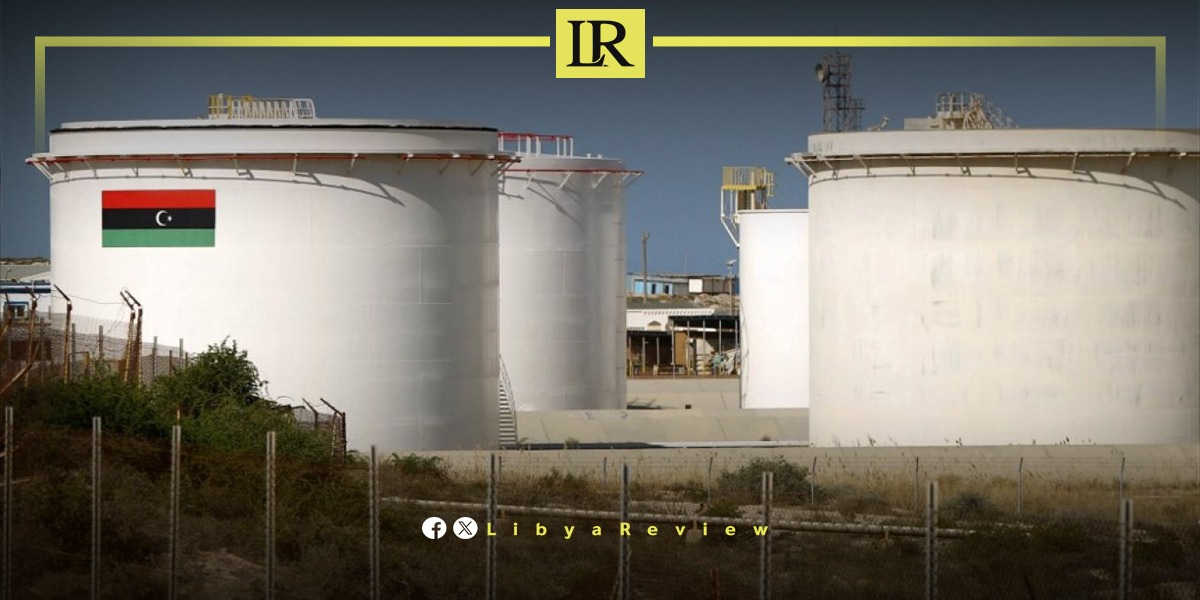

Libya has raised its oil production to 1.43 million barrels per day, marking its highest output level in more than a decade and signaling renewed momentum in the country’s energy sector.
The increase was highlighted in a recent economic report, which cited statements from the head of the National Oil Corporation, Masoud Suleiman. He described the current production level as a significant achievement following years of instability that frequently disrupted operations across oil fields and export terminals.
According to Suleiman, oil revenues for February exceeded $2 billion, with the full amount transferred to the state treasury. This development reflects improved coordination and financial management within the sector and represents a level of transparency not consistently seen in recent years.
Despite global market uncertainty, Libya has maintained stable domestic fuel supplies. Officials attribute this to better operational planning and improved management of distribution networks. However, sustaining and further increasing production will depend on key factors, particularly the stability of the national electricity grid and continued improvements in efficiency across production facilities.
Oil and gas exports remain the primary source of income for Libya, accounting for the vast majority of state revenue. However, the sector continues to face structural challenges, including political divisions and security risks that have historically affected output levels.
The recent increase in production suggests a period of relative stability in key oil-producing regions, allowing Libya to strengthen its position in global energy markets. Analysts note that maintaining this momentum will require ongoing investment in infrastructure and consistent coordination among institutions in the oil sector.
Higher production levels could provide the country with increased financial resources, supporting economic recovery and public spending. At the same time, experts caution that long-term sustainability will depend on maintaining stability and protecting the sector from future disruptions.