
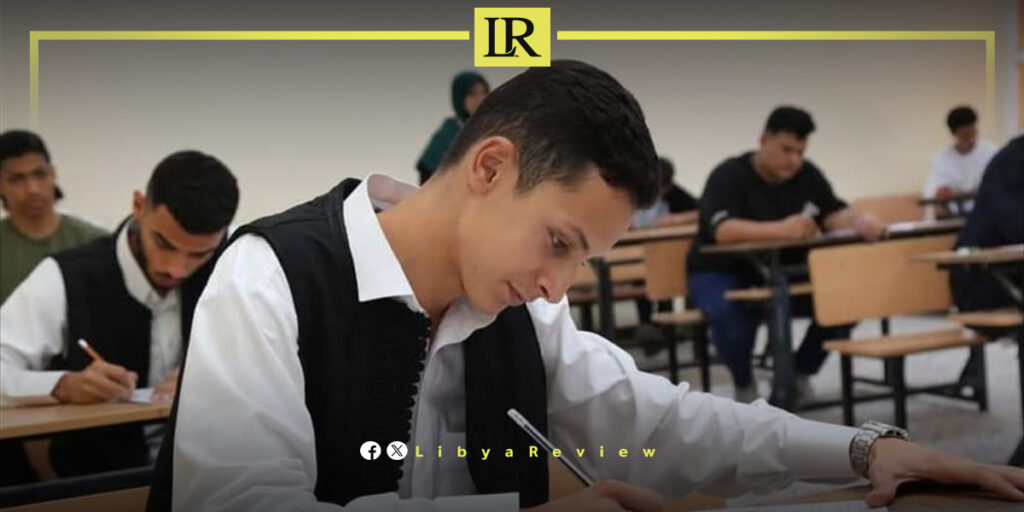
Libya’s Ministry of Education has announced that more than 57,000 students have registered for the tenth edition of the Arab Reading Challenge, marking a notable rise in participation and reflecting growing engagement in educational initiatives across the country.
The ministry said participants represent ten education districts nationwide. Students are required to read and summarise 50 books as part of the programme, which culminates in final rounds hosted in the United Arab Emirates. The initiative attracts millions of students from across the Arab world each year.
A senior official involved in coordinating the programme said the high registration numbers highlight increased awareness of reading and learning among young people in Libya. “This level of participation reflects a strong commitment to education and personal development,” the official said.
The initiative comes as Libya continues efforts to rebuild its education sector after years of conflict and political division. Schools across the country have faced disruptions, infrastructure damage, and resource shortages, which have affected learning outcomes.
Despite these challenges, programmes like the Arab Reading Challenge aim to improve literacy and encourage critical thinking among students. They also provide opportunities for recognition at regional level, boosting motivation among participants.
For families and communities, the initiative offers a positive outlet for youth development. It supports reading habits and helps students build skills that are essential for future employment and social participation.
Libya’s broader national context remains complex, with ongoing economic pressures and institutional divisions. However, education authorities continue to promote programmes that strengthen human capital and social cohesion.
Challenges remain, including disparities in access to educational resources between regions and the need for sustained investment in schools and training. Ensuring equal participation for all students remains a key concern.
Officials say they plan to expand support for such initiatives in the coming years, aiming to enhance education quality and encourage wider participation across Libya.

