
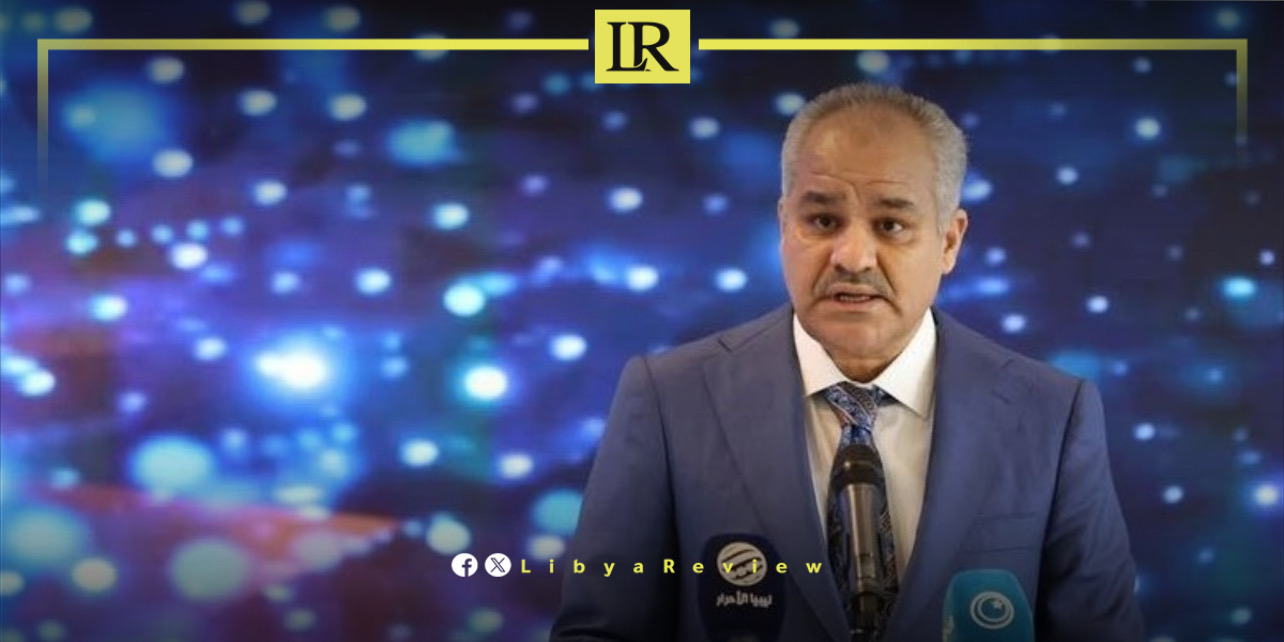

The Central Bank of Libya (CBL) has announced the start of what it describes as a new phase in the country’s economic trajectory, unveiling a comprehensive package of monetary and financial reforms alongside a significant rise in foreign currency reserves.
Central Bank Governor Naji Issa said the reforms are aimed at strengthening monetary stability, protecting the national currency, and restoring confidence in Libya’s financial system after years of economic fragmentation. His announcement coincided with the signing of a unified public spending framework for 2026, a move widely seen as a milestone in improving fiscal coordination.
Issa revealed that Libya’s foreign reserves have surpassed 100 billion dinars over the past year, describing the increase as a strong indicator of improved financial resilience and the central bank’s capacity to stabilize the economy.
He emphasized that exchange rate policies are under continuous review, with a firm commitment to preventing currency collapse and preserving foreign reserves as a cornerstone of economic stability.
In a significant reform step, the central bank has begun regulating the foreign exchange sector for the first time, aiming to reduce reliance on the parallel market and curb speculative practices that have long disrupted currency stability.
The bank is also accelerating its digital transformation strategy, focusing on automation to improve transparency, reduce corruption, and enhance the efficiency of public financial management. Digital salary systems have already contributed to faster payments and the detection of financial irregularities.
Additional measures include stricter controls on letters of credit to prevent fraud, tighter oversight of foreign currency allocations, and improved systems for managing access to foreign exchange.
In terms of liquidity, the central bank confirmed the withdrawal of counterfeit currency from circulation and announced the introduction of newly printed banknotes with advanced security features to reduce forgery risks and improve cash availability.
Issa noted that the unification of public spending will give the central bank greater flexibility in managing monetary policy while helping to limit public debt and ensure a more balanced distribution of resources.
He concluded that these reforms mark a critical step toward rebuilding trust in Libya’s economy and improving living standards through coordinated and transparent economic policies.