
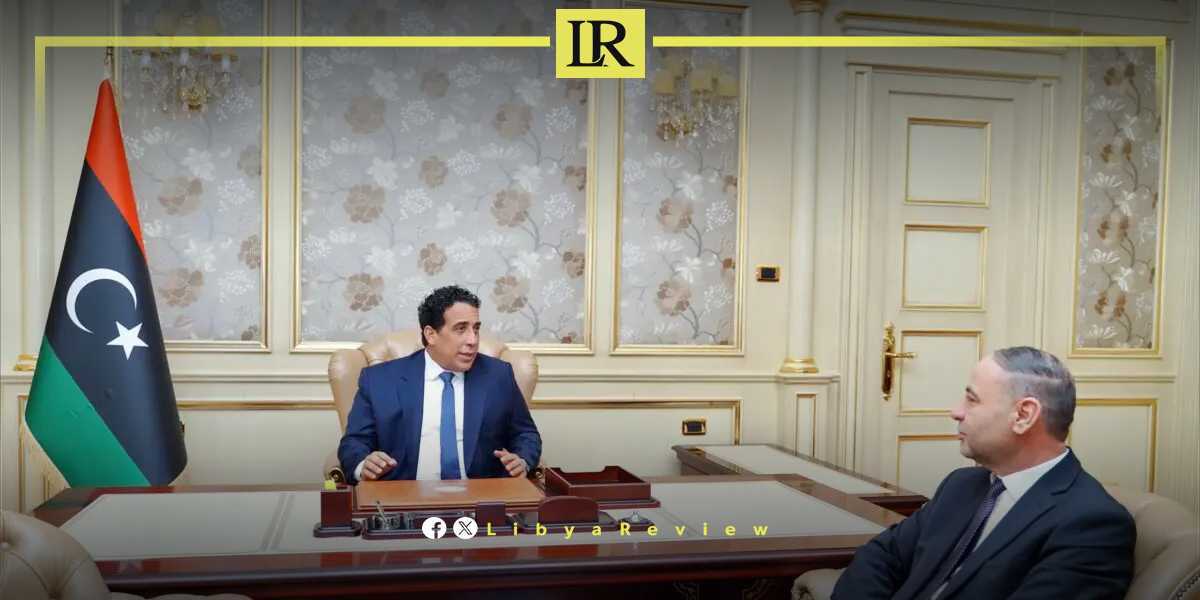
Libya’s Presidential Council has formally rejected the legal authority of Taher Al-Baour as acting foreign minister and ordered him to cease any external diplomatic functions, in a move that underscores growing tensions over control of the country’s foreign policy.
In an official statement, the Council clarified that Al-Baour’s temporary assignment does not grant him full ministerial powers or the right to represent Libya abroad. It stressed that his role should remain limited to administrative and internal duties within the ministry, without engaging in international communication or official diplomatic activity.
The Council warned that Al-Baour’s recent involvement in external contacts and correspondence constitutes an exceeding of his assigned mandate and risks creating confusion in Libya’s diplomatic representation. As a result, it issued a directive suspending his external responsibilities with immediate effect.
The move reflects broader concerns about Libya’s foreign affairs management at a time when the country faces complex regional and international challenges. Officials emphasized that a clear and unified diplomatic voice is essential to maintaining credibility and protecting Libya’s interests abroad.
The Presidential Council also called on Prime Minister Abdel-Hamid Dbaiba to submit an official nominee for the position of foreign minister in line with established legal procedures. This, the Council said, would allow it to exercise its constitutional authority in approving sovereign positions and ensure proper oversight of the ministry.
The Council stressed that the current stage requires greater discipline and clarity in managing external relations, warning that any ambiguity could negatively affect Libya’s standing on the international stage.

