
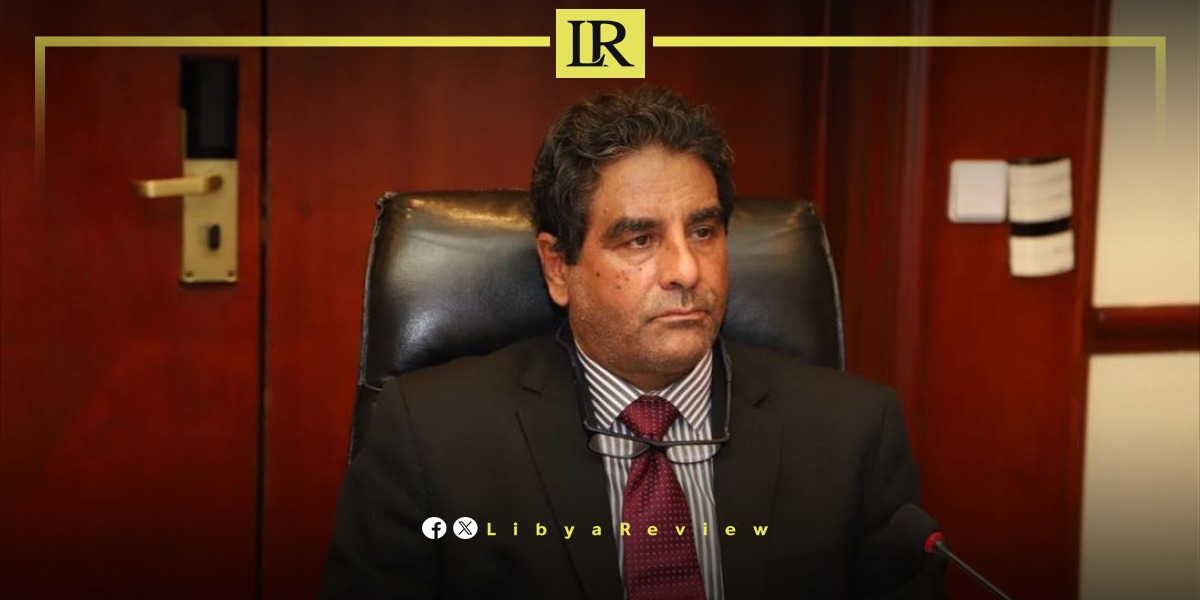
Libyan Member of Parliament Abdel-Salam Nassiyah has made it clear that the Libyan economy will not see recovery or growth through the adoption of ‘goal-scoring’ policies, a metaphor for short-term, superficial strategies employed by factions within the Libyan conflict.
In a post shared on Facebook, Nassiyah emphasised the fallacy of believing in economic revival through such transient approaches. “Anyone who thinks that the Libyan economy will recover and grow through the ‘goal-scoring’ policy practiced by the Libyan conflict parties is deluding themselves,” he stated.
Nassiyah’s commentary sheds light on the urgent need for a strategic overhaul of the economic policies in Libya, urging long-term planning and sustainable development strategies that go beyond the immediate gains. This call for action highlights the complexity of Libya’s economic challenges, compounded by ongoing political instability and conflict.
As Libya stands at a crossroads, the insights from its political figures such as Nassiyah underscore the critical need for a unified approach in addressing the country’s economic and political turmoil. Only through cohesive, long-term strategies can Libya hope to achieve the economic stability and growth it so desperately needs.
In summary, Nassiyah’s critique of ‘goal-scoring’ policies serves as a stark reminder of the need for depth, foresight, and unity in the journey towards Libya’s economic recovery and prosperity.
Libya’s economy, heavily reliant on oil, has suffered due to the ongoing conflict. The instability has led to fluctuations in oil production and prices, impacting the global oil market and Libya’s economy.
The conflict has led to a significant humanitarian crisis in Libya, with thousands of people killed, and many more displaced. Migrants and refugees using Libya as a transit point to Europe have also faced dire conditions.
The planned elections for December 2021 were delayed due to disagreements over election laws and the eligibility of certain candidates. This delay has raised concerns about the feasibility of a peaceful political transition.

