
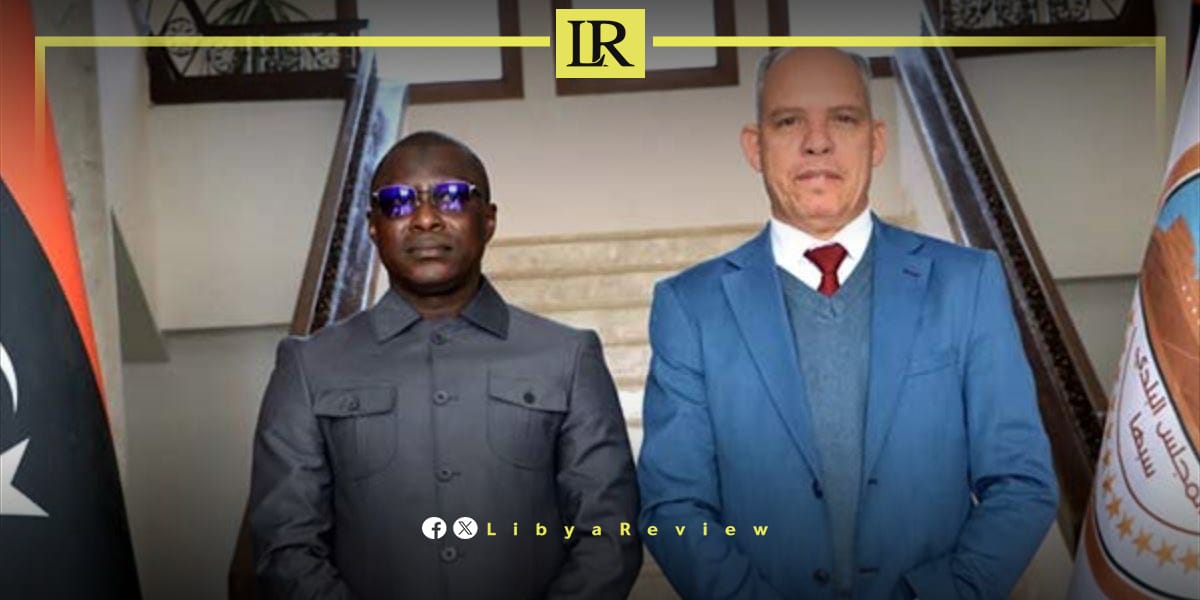
Libyan officials have discussed the possible reopening of Niger’s consulate in Sebha, southern Libya, during a meeting between the mayor of Sebha Municipality and Niger’s chargé d’affaires to Libya.
According to a statement issued by Sebha Municipal Council, the meeting was held as part of efforts to strengthen joint coordination and address issues related to the Nigerien community living in the city. The talks were attended by the head of the Foreign Ministry’s bureau in the southern region, highlighting the official nature of the discussions.
The meeting focused primarily on the proposal to reopen the Nigerien consulate in Sebha, which officials described as a key step towards organising the status of the Nigerien community and improving access to consular services. The council said the move would help facilitate documentation procedures and address the legal status of residents living in the city.
Both sides stressed the importance of regulating the affairs of migrant communities and foreign labour in southern Libya. They underlined the need to improve living and working conditions in a way that protects rights and contributes to greater stability and organisation within Sebha.
Municipal officials noted that Sebha hosts a significant number of migrants from neighbouring countries, including Niger, making consular representation essential for managing administrative, legal and humanitarian issues.
The discussions come amid broader diplomatic engagement between Libya and Niger. In a separate development, officials from the Ministry of Foreign Affairs and International Cooperation under the eastern-based government, headed by Osama Hammad, recently met a Nigerien delegation led by embassy counsellor Moussa Taher.
That meeting focused on arrangements to open two Nigerien consulates in Benghazi and Sebha, reflecting a wider effort to expand diplomatic and consular presence in Libya’s east and south.
Observers say reopening the Sebha consulate could play a role in easing pressure on local authorities, improving coordination on migration issues, and supporting regional stability in southern Libya, a key transit area for migrants crossing towards the Mediterranean.

