
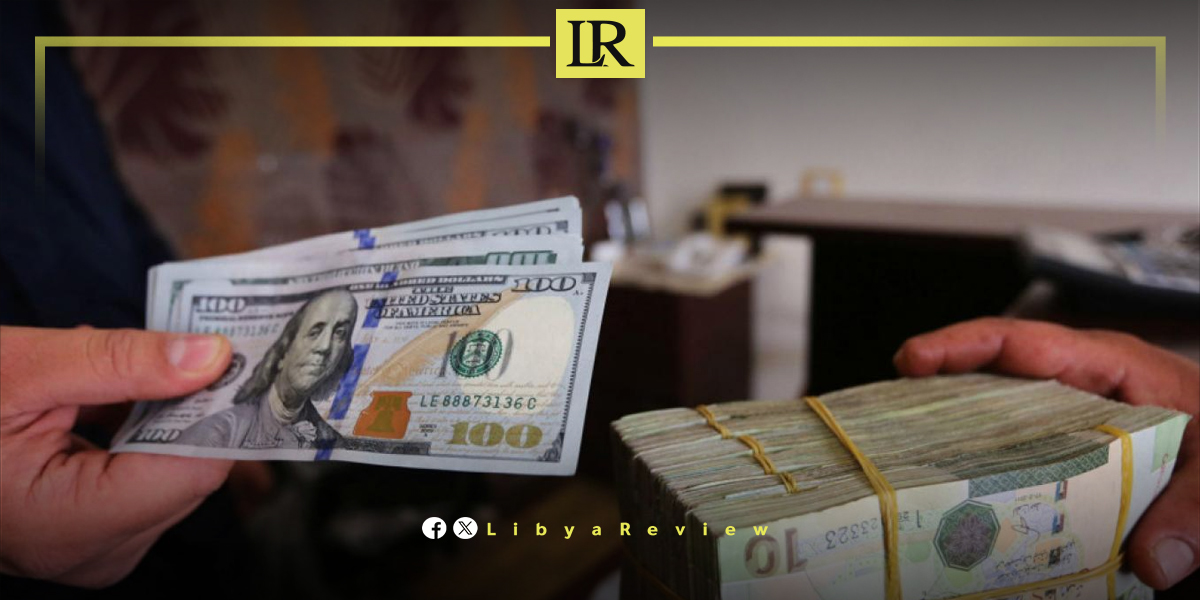
As the holy month of Ramadan approaches, Libyans are facing mounting economic pressure as the sharp decline of the Libyan dinar continues to drive up prices and erode household incomes. Instead of preparing for a season traditionally marked by social solidarity and family gatherings, many families are bracing for what they describe as one of the most difficult Ramadans in years.
The rapid depreciation of the dinar against the US dollar has turned currency fluctuations into a daily concern for ordinary citizens. With the dollar nearing nine dinars on the parallel market, the impact is being felt immediately in food prices, healthcare costs, and basic services. What was once a challenge limited to traders and importers has become a direct burden on households struggling to meet everyday needs.
In markets across Tripoli and other cities, prices of essential goods are rising at a pace that outstrips incomes. Merchants say that each increase in the exchange rate is quickly reflected in higher prices, often without delay. Cooking oil, flour, cheese, meat, and legumes have all become significantly more expensive, forcing families to reduce quantities or abandon certain items altogether. As purchasing power weakens, market activity has slowed, and many shoppers now prioritize only the most basic necessities.
The economic strain is reshaping Ramadan traditions. Families accustomed to preparing diverse meals and hosting relatives are cutting back sharply. Household budgets are increasingly consumed by food expenses alone, leaving little room for other essentials. For many, festive preparations have been replaced by careful calculations aimed at stretching limited income through the month.
Healthcare has also become a major source of concern. The rising cost of medical consultations, laboratory tests, and imported medicines has made treatment unaffordable for many. Patients with chronic illnesses or urgent medical needs are often forced to delay care, while the option of seeking treatment abroad has become unreachable for most families due to currency depreciation.
The situation is particularly severe in inland and southern regions, where higher transportation costs further inflate prices. Residents in these areas face greater difficulties accessing affordable goods, deepening regional disparities and social frustration.
The Central Bank of Libya has acknowledged the difficult economic conditions, citing political instability and weak fiscal discipline as key factors behind the currency’s decline. While officials have announced measures aimed at stabilizing the exchange rate, public confidence remains fragile, with many economists arguing that monetary tools alone cannot resolve a crisis rooted in fragmented governance and poor financial management.

