
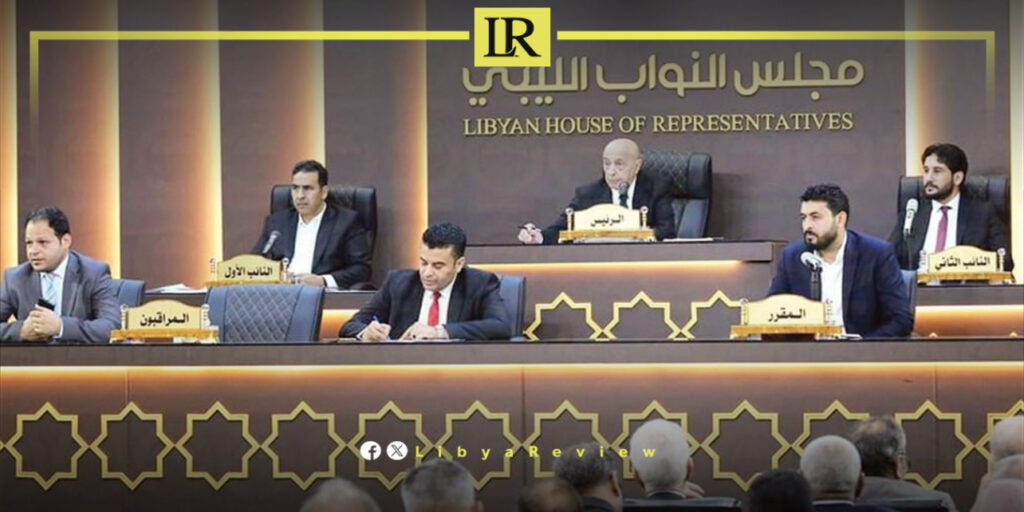
Libya’s House of Representatives has strongly condemned attempts by the outgoing Government of National Unity in Tripoli to conclude long-term contracts that affect the country’s sovereign resources, warning that such moves threaten national wealth, economic sovereignty, and the rights of future generations.
In a joint statement, the Energy and Natural Resources Committee and the Foreign Affairs and International Cooperation Committee said the government is seeking to sign long-term agreements involving free economic zones and large shares of Libya’s oil and gas wealth in favor of foreign companies, including Qatari and Italian firms. The committees described these deals as lacking transparency, tainted by corruption, and driven by political bargaining.
The two parliamentary bodies stressed that these steps constitute a clear violation of Libya’s Constitutional Declaration, as amended by the Seventh Amendment, which imposes strict restrictions on any commitments that could affect sovereign resources because of their long-term impact on the national economy and on the rights of future generations.
They also pointed to breaches of existing laws and decisions that prohibit any interim or expired-mandate government from entering into agreements related to strategic natural resources before the election of a government with a popular mandate. In particular, they cited Decision No. 44 of 2013, which bans the signing of agreements on the exploitation of strategic natural resources without prior approval from the legislative authority.
The committees further expressed regret that some foreign states are attempting to exploit Libya’s current political and security conditions to gain control over its wealth under unfair terms, warning against what they described as efforts to plunder national resources and impose inequitable economic arrangements.
The statement concluded by affirming that the House of Representatives reserves its full constitutional and legal right to take all necessary measures to halt these violations and to hold those responsible accountable, in order to safeguard Libya’s sovereign assets and protect the country’s long-term economic interests.

