
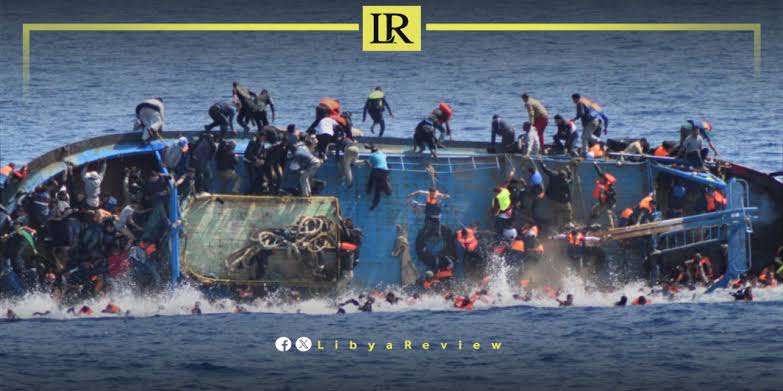
At least 50 irregular migrants are feared dead after a boat carrying them sank in the Mediterranean Sea between Libya and the island of Malta, in one of the latest tragedies along the Central Mediterranean migration route.
According to the Times of Malta, the incident occurred on Friday amid severe weather conditions affecting the central Mediterranean. The report cited the testimony of a single survivor, who was later rescued by a commercial vessel off the Tunisian coast. The survivor told authorities that the boat capsized, leading to the deaths of around 50 migrants.
The individual was the sole known survivor of the shipwreck and was transferred by the Maltese Armed Forces to Malta, where he received medical treatment. No further survivors have been reported so far.
The newspaper noted that the sinking coincided with Storm Harry, which brought strong winds and high waves across large parts of the Mediterranean. Adverse weather conditions are believed to have played a significant role in the disaster, making rescue operations more difficult and reducing the chances of survival for those on board.
The incident was also confirmed by Alarm Phone, a civil society organisation that monitors distress calls from migrants attempting to cross the Mediterranean. The group said the overturned boat had departed from Tunisia and was heading north when it encountered trouble at sea.
Alarm Phone added that the fate of other migrants who set sail from Tunisia in recent days remains unknown. According to the organisation, at least three additional boats departed the Tunisian coast during the same period, raising fears of further casualties.
The Central Mediterranean route, particularly the stretch linking Libya, Tunisia, and southern Europe, remains one of the world’s deadliest migration corridors. Thousands of migrants continue to attempt the dangerous crossing each year, often relying on overcrowded and unseaworthy boats operated by smuggling networks.
International organisations and humanitarian groups have repeatedly warned that worsening weather conditions, combined with limited search and rescue coverage, significantly increase the risk of mass fatalities at sea, as migration flows across the region continue.

