
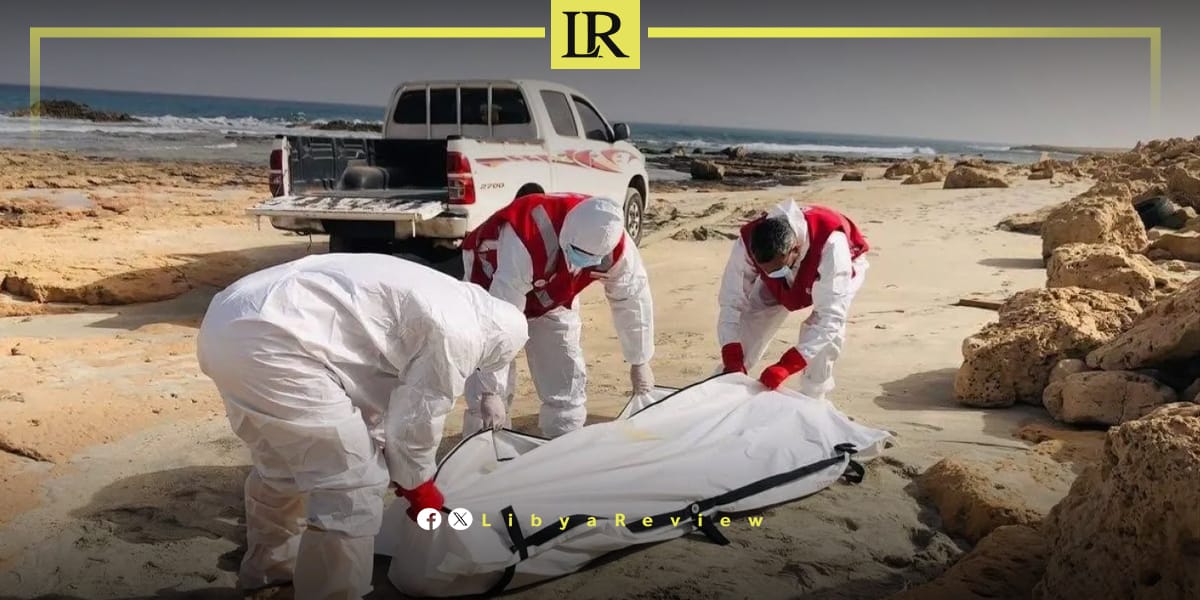
The discovery of mass graves in Libya is becoming increasingly frequent, according to a report by The Independent Arabia, highlighting a growing humanitarian crisis linked to irregular migration routes toward Europe. The findings shed light on the dangers faced by African migrants fleeing conflict and instability in their home countries, many of whom use Libya as a transit point in search of safety and opportunity.
Rising Discovery of Mass Graves Across Libya
The report notes that the uncovering of mass graves has become a recurring phenomenon across Libya. These graves are believed to contain the remains of African migrants who perished under unclear and often violent circumstances. Libya’s geographic position as a gateway to Europe has made it a central hub for migration flows, but also a hotspot for human trafficking networks and exploitation.
The increasing number of such discoveries points to a broader pattern of abuse and neglect. Many migrants fall victim to armed groups, traffickers, and criminal networks operating in the country amid ongoing political division and weak institutional control.
Attempts to Conceal Crimes and Erase Evidence
According to the report, the presence of mass graves suggests deliberate efforts to conceal crimes. The issue goes beyond unlawful killings, extending to the systematic hiding of bodies—an act that constitutes a grave violation of human dignity both in life and after death.
Human rights observers warn that these practices not only obstruct justice but also deepen the suffering of families who remain unaware of the fate of their loved ones. The lack of transparent investigations further fuels concerns about impunity.
Calls for Accountability and Transitional Justice
The report emphasizes that uncovering the truth, ensuring accountability, prosecuting perpetrators, and preserving the memory of victims are essential pillars of transitional justice. However, these principles remain largely unrealized in Libya due to ongoing instability and fragmented governance.
Without a unified legal and institutional framework, efforts to address past violations and protect vulnerable populations continue to face significant challenges. International organizations have repeatedly called for stronger mechanisms to investigate abuses and support victims.
Background: Libya’s Migration Crisis
Libya has long been a key departure point for migrants attempting to cross the Mediterranean Sea into Europe. Years of conflict and political fragmentation have weakened border controls and law enforcement, allowing smuggling networks to thrive.
Thousands of migrants pass through Libya annually, often subjected to detention, forced labor, and violence. The emergence of mass graves adds a tragic dimension to an already dire situation, underscoring the urgent need for coordinated international action and internal reforms.

