
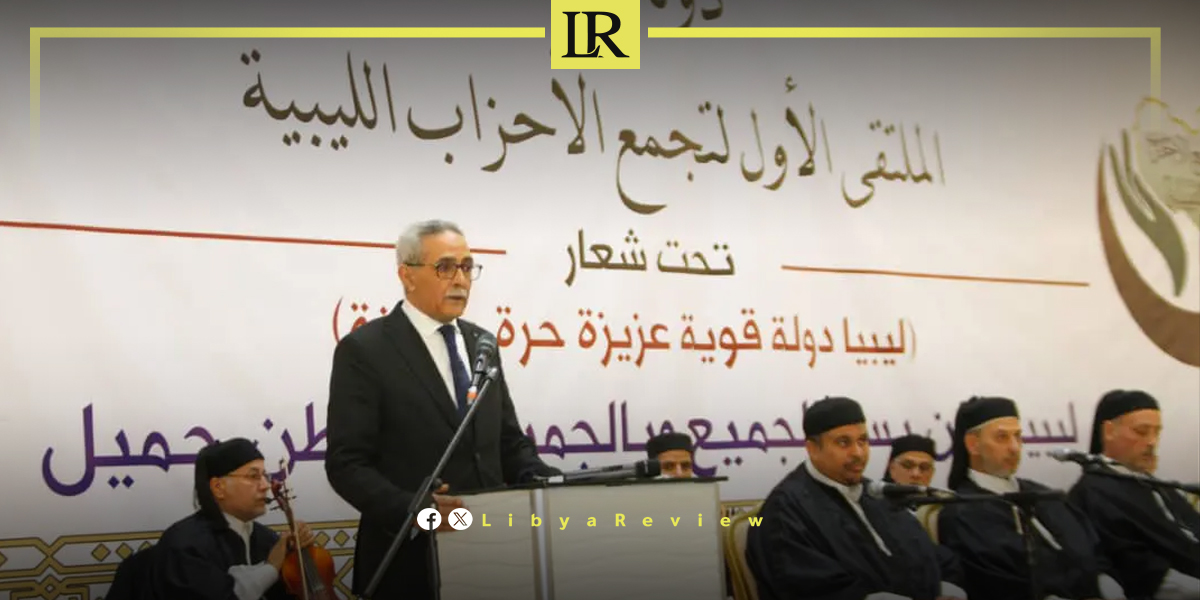
A coalition of Libyan political parties has voiced strong opposition to what it described as continued international interference in the country’s affairs, warning against any measures that could undermine Libya’s national sovereignty.
In a political statement, the group expressed concern over the repeated renewal of international mandates, particularly those related to expert panels and monitoring mechanisms tied to issues such as the illicit export of oil. The parties argued that the ongoing cycle of extensions and briefings has failed to produce meaningful progress toward resolving Libya’s prolonged crisis.
According to the statement, the current international approach has contributed to managing the crisis rather than ending it, keeping Libya within the scope of global discussions without delivering a clear political settlement. The coalition said the country has effectively become an open file shaped by external balances, while citizens continue to face deteriorating living conditions, institutional division, and the depletion of national resources.
The parties stressed their rejection of any actions that could affect Libya’s sovereignty or impose restrictions on national assets without a defined timeframe and a clear plan for lifting such measures. They argued that safeguarding Libya’s wealth should be the responsibility of unified and capable national institutions, rather than relying on prolonged external arrangements.
The coalition also called for a shift from crisis management to a comprehensive political solution driven by an independent national will. It underlined the urgency of unifying state institutions as a key step toward restoring sovereign decision-making.
Furthermore, the group held the international community accountable for the shortcomings of previous approaches, urging a fundamental reassessment that could pave the way for a more effective and responsive political process aligned with the aspirations of the Libyan people.
The statement concluded with a warning that Libyans can no longer endure temporary solutions or repeated delays, stressing the need for a genuine state-building path rooted in national ownership.

