
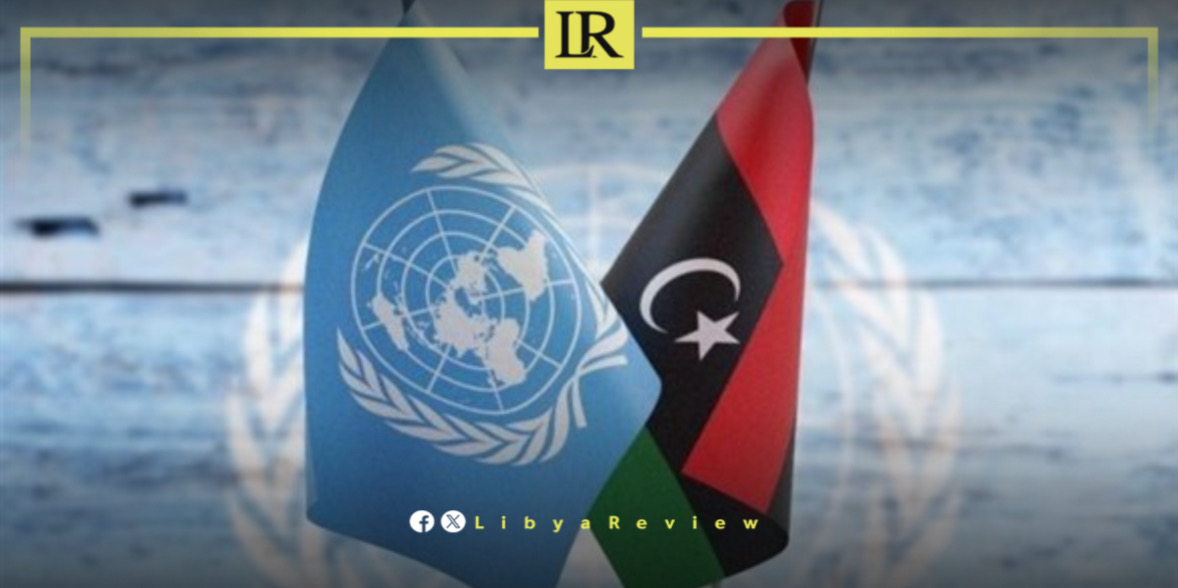
The United Nations Support Mission in Libya has welcomed the participation of representatives from both eastern and western Libya in the Flintlock 2026 military exercise, describing it as a positive step toward strengthening national unity in the country’s security institutions.
In a statement issued following the launch of the exercise on April 14 in the coastal city of Sirte, UNSMIL said it supports all efforts aimed at unifying Libya’s military and security bodies. The mission stressed that building cohesive national institutions remains essential to stabilising the country and advancing state-building efforts.
The exercise, known as Flintlock 2026, is being hosted in Libya for the first time and is widely regarded as a significant development in efforts to bridge divisions between rival security structures in the east and west. UNSMIL called on all Libyan parties to continue engaging in initiatives that promote cooperation and institutional integration.
The United States Embassy in Libya also praised Libya’s role in hosting the exercise, describing it as an important milestone toward building stronger and more unified military institutions. The embassy noted that the joint participation of eastern and western security forces demonstrates an increasing ability to work together, despite years of political and military fragmentation.
According to the embassy, Flintlock 2026 will help enhance regional coordination and improve collective responses to shared security challenges, including terrorism and border security threats. The exercise brings together military personnel from across Africa, Europe, and the United States, reflecting a broad international commitment to supporting stability in the region.
Flintlock is the largest annual special operations exercise led by the United States Africa Command. Running for two weeks, the training focuses on improving interoperability, strengthening partnerships, and building the operational capacity of participating forces.
Libya’s hosting of part of the exercise underscores a shift toward greater international engagement and highlights ongoing efforts to rebuild trust between rival institutions. Observers view the participation of both eastern and western representatives as a rare but important sign of progress in a country still navigating a complex political transition.

