
Divisions among armed groups in western Libya have intensified amid controversy over a reported international initiative aimed at reshaping the country’s political and military leadership. The proposal, widely attributed to US diplomatic efforts, has triggered sharply contrasting reactions across factions aligned with authorities in Tripoli and beyond.
At the center of the debate is a plan that would see Saddam Khalifa Haftar assume leadership of a restructured Presidential Council, replacing Mohamed Al-Mnifi, while maintaining Abdel-Hamid Dbaiba as head of a unified government. Supporters argue that such an arrangement could break the long-standing institutional deadlock and pave the way for unifying Libya’s divided military structure.
However, the proposal has exposed deep fractures within western Libya’s armed landscape. Several factions have strongly rejected any move that would elevate Saddam Haftar to a leading political role, describing it as an imposed solution that bypasses electoral legitimacy and national consensus. Others, however, have expressed support, viewing the initiative as a pragmatic step toward ending institutional fragmentation and restoring stability.
Tensions escalated further following recent military developments in Sirte, where the “Flintlock 2026” exercises brought together forces from eastern and western Libya for the first time in years. The participation of western security officials alongside Haftar drew sharp criticism from some factions, who saw it as a signal of shifting alliances.
Armed groups in Tripoli and Al Zawiya have since issued opposing statements. Some commanders publicly backed efforts to unify the military, emphasizing the need to move beyond political divisions. Others warned against engaging with eastern-based leadership, accusing external actors of attempting to reshape Libya’s political order through behind-the-scenes arrangements.
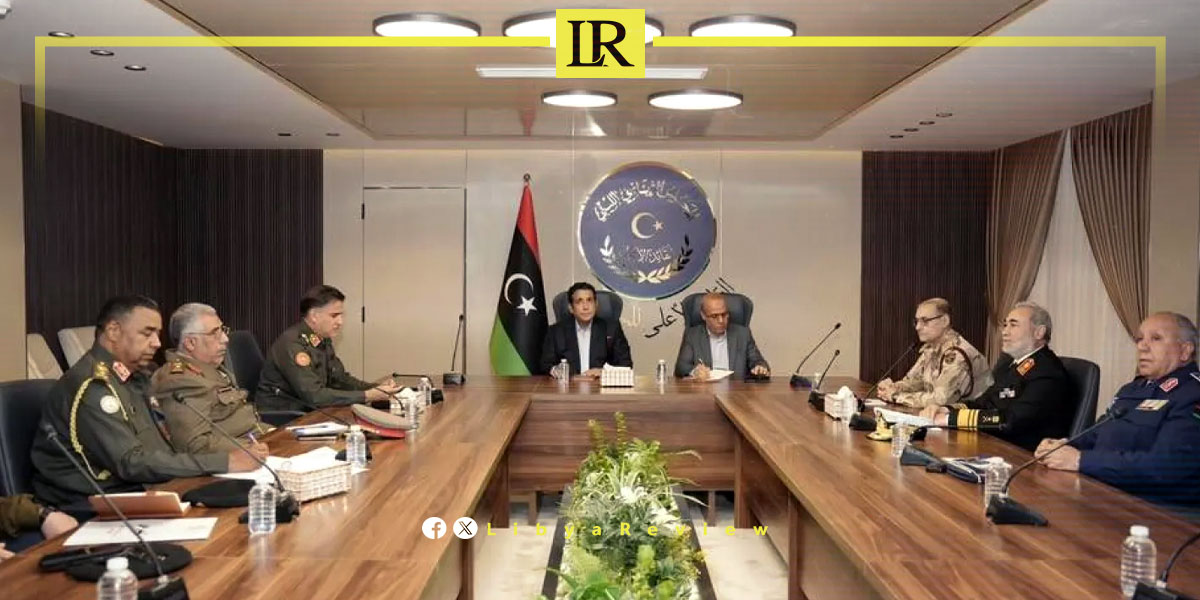
The unfolding situation has prompted increased coordination among political and military leaders in Tripoli. Reports indicate that high-level meetings have been held to assess military readiness and reinforce internal cohesion amid fears of fragmentation or confrontation.

