
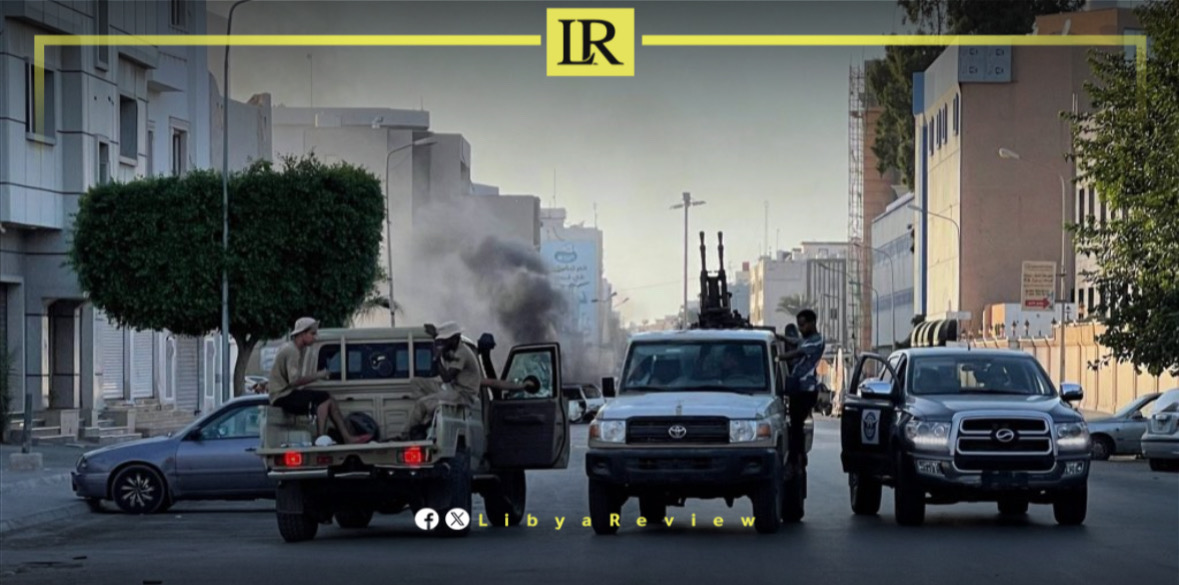
Armed clashes and targeted killings continue to expose the fragile security landscape in western Libya, where rival armed groups remain locked in a prolonged struggle for influence, territory, and control. Despite repeated calls for stability and efforts to strengthen state institutions, violence remains a recurring feature of daily life in several cities, raising concerns about the prospects for lasting security and political progress.
Over recent months, cities including Tripoli, Al Zawiya, and neighboring areas have witnessed repeated outbreaks of armed confrontations and assassination incidents. These events have highlighted the ongoing competition among armed factions that operate with varying political affiliations, security roles, and local interests.
The persistence of these confrontations reflects deeper structural challenges that have remained unresolved since the collapse of centralized security authority more than a decade ago.
The growing number of assassinations has become one of the most alarming indicators of the deteriorating security environment. Political observers and security analysts argue that many of these incidents are linked to power struggles, retaliatory attacks, and efforts by competing groups to consolidate influence.
As a result, targeted killings are increasingly viewed as part of a broader pattern of instability rather than isolated criminal acts.
At the same time, recurring armed clashes inside urban centers continue to place civilians at risk. Residential neighborhoods have repeatedly become battlegrounds, with the use of heavy and medium weapons causing casualties, property damage, and disruptions to public services.
Schools, businesses, and public institutions have often been forced to suspend operations whenever violence escalates.
Observers note that temporary ceasefires and local understandings between rival groups have rarely addressed the root causes of the conflict. While such arrangements may reduce tensions for short periods, they often collapse when competing interests, financial disputes, or shifts in local power dynamics emerge.
The continued influence of multiple armed factions also complicates efforts to establish unified security institutions.
Overlapping chains of command, competing authorities, and the absence of comprehensive security reforms have made it difficult for state institutions to assert full control over the security sector.
Despite repeated pledges by authorities to strengthen the rule of law and limit the influence of armed groups, progress has remained slow.
Analysts warn that without meaningful security reform, stronger law enforcement institutions, and a unified national framework, western Libya could remain vulnerable to recurring violence, political instability, and further deterioration of public security.

