
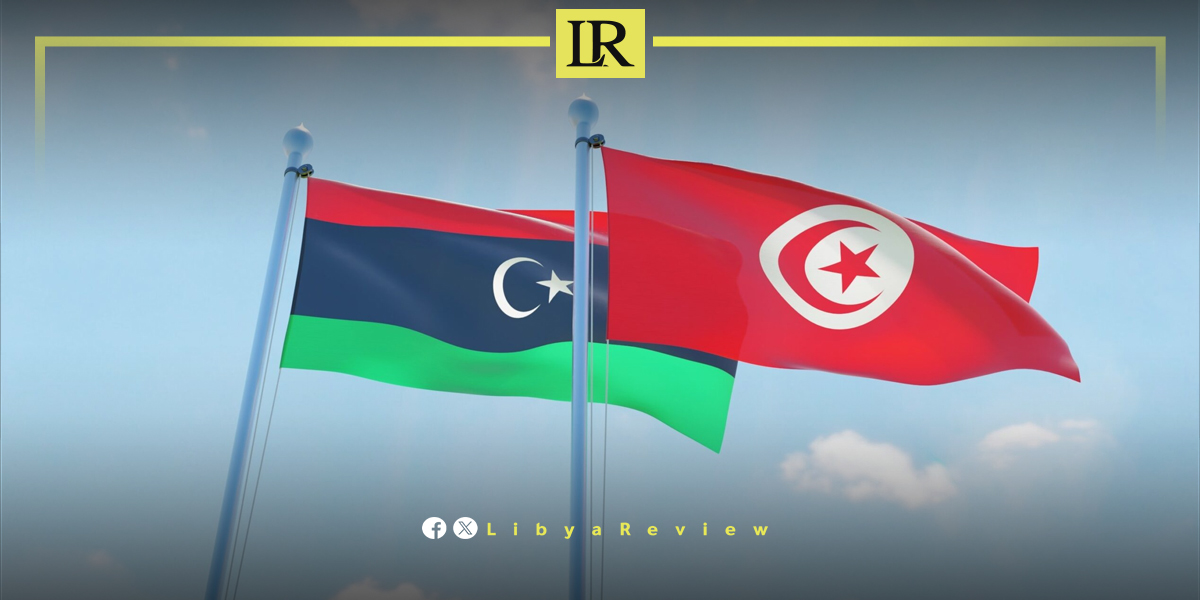
The long-standing maritime energy dispute between Libya and Tunisia has returned to public attention as growing regional energy demand and renewed interest in offshore resources revive discussions about one of the most sensitive economic issues in the central Mediterranean.
At the center of the debate is the Bouri oil field, one of the largest offshore energy assets in North Africa and a strategic contributor to Libya’s oil production.
Recent political statements in Tunisia have reignited discussions about historical maritime boundaries, offshore resources, and the distribution of wealth in the Mediterranean, bringing a decades-old issue back into the spotlight.
The dispute dates back to the 1970s, when Libya and Tunisia explored broader political and economic cooperation that included discussions about shared maritime resources. However, disagreements over offshore territories and resource allocation eventually led both countries to seek a legal resolution through international institutions.
The issue was ultimately settled by the International Court of Justice in February 1982. The court ruled in favor of Libya regarding the disputed continental shelf, granting Libya sovereignty over the area and ending years of legal proceedings between the two neighboring states.
Despite the ruling, the matter has continued to attract political and economic interest because of the significant energy reserves located in the region.
The Bouri field remains one of Libya’s most valuable offshore assets, containing substantial oil and natural gas reserves. The broader maritime area also includes important energy zones such as Bahr Essalam, Al Jurf, and Zarat, as well as a jointly managed concession area established through Joint Oil in 1988 as part of efforts to maintain cooperation despite previous disagreements.
Interest in the issue has intensified as Libya moves forward with plans to expand offshore gas production and strengthen its role as a regional energy supplier. Energy experts believe future development projects could increase production capacity and contribute to economic growth while attracting new investment into the sector.
At the same time, discussions continue regarding opportunities for deeper economic cooperation between Libya and Tunisia in areas linked to energy, infrastructure, and regional development.

