
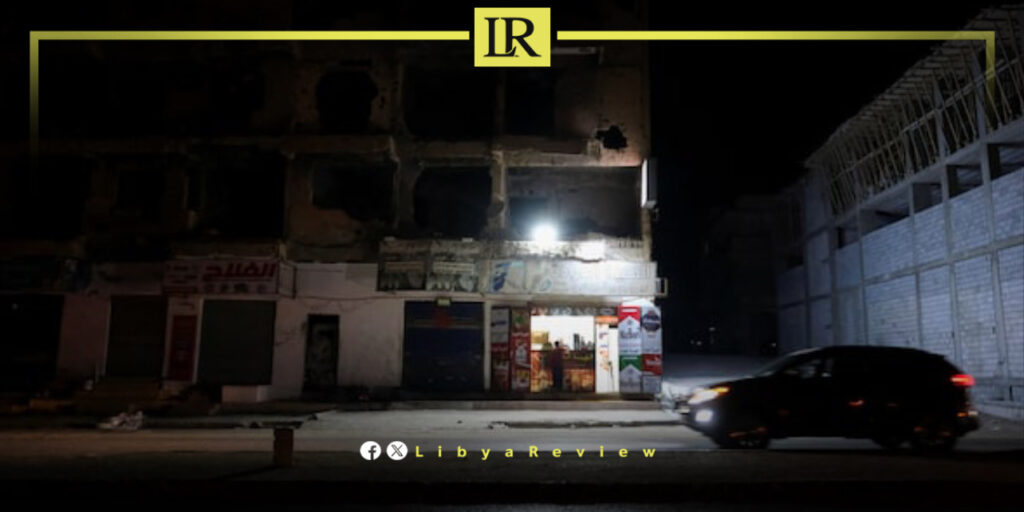
Libya’s High Council of State (HCS) has held the Tripoli-based Government of National Unity, led by Prime Minister Abdelhamid Dbaiba, politically and administratively responsible for the country’s continuing electricity crisis, calling for a comprehensive investigation into the management of the power sector.
In a statement, the HCS said it was closely monitoring the worsening electricity shortages, which have intensified public suffering during the current heatwave. The council noted that prolonged power cuts have disrupted public services, economic activity and essential facilities across Libya.
The council argued that the ongoing crisis could no longer be described as a temporary emergency, particularly given the substantial financial allocations made to the electricity sector and the numerous projects announced in recent years. It said the situation reflected serious administrative shortcomings that require accountability.
The HCS urged the Administrative Control Authority, the Audit Bureau, the National Anti-Corruption Commission and the Office of the Attorney General to launch a full investigation into the financial, administrative and technical performance of the electricity sector. It also called for inquiries into suspected corruption or misuse of public funds, with the findings made public and those responsible held accountable under Libyan law.
According to the council, the management of strategic public utilities should be based on competence, professional expertise and transparency rather than temporary solutions.
The HCS stressed that access to a stable and reliable electricity supply is a fundamental right for every Libyan citizen. It said the crisis requires genuine institutional reform built on accountability, efficiency and good governance.
The council also appealed to citizens to reduce electricity consumption during the current period of high demand, while emphasising that energy conservation does not relieve the executive authorities of their responsibility to resolve the crisis permanently.
Libya suffered a nationwide blackout last weekend after several major power plants, including the Gulf and Misrata stations, unexpectedly went offline, removing around 1,350 megawatts from the national grid. Since then, the General Electricity Company of Libya has accelerated maintenance work and returned several generating units to service in an effort to reduce the power deficit as electricity demand continues to rise during the summer.

