
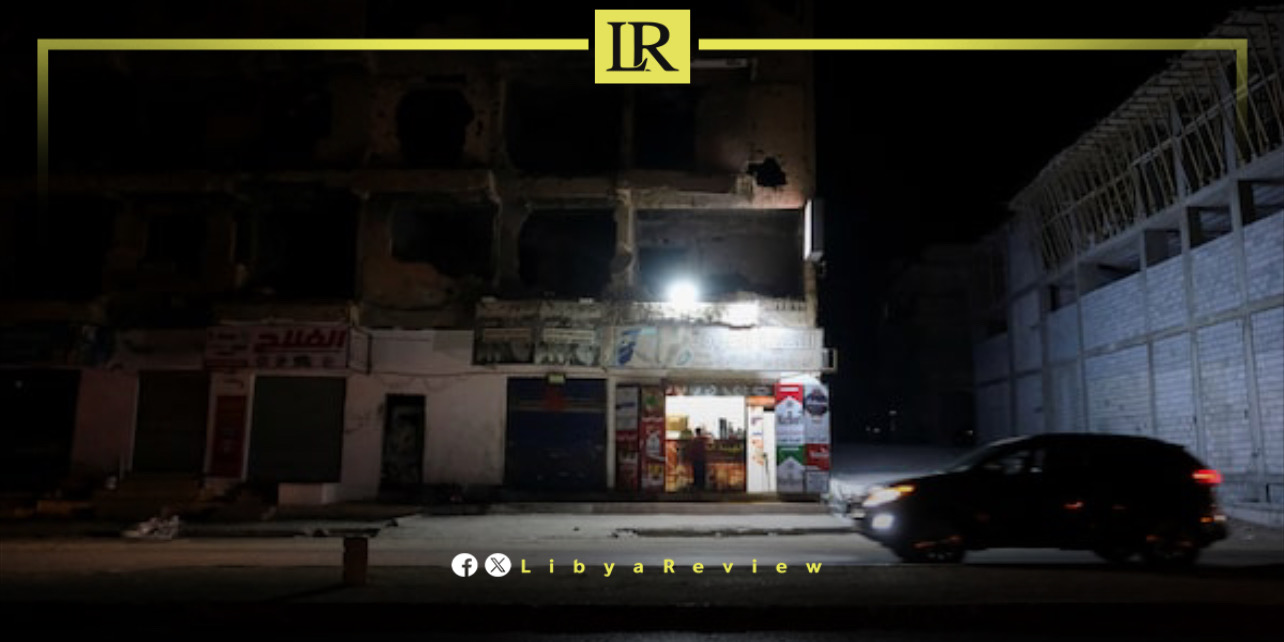
Large-scale power outages struck eastern and western Libya on Friday evening, leaving thousands of residents without electricity as temperatures climbed to nearly 47°C and adding to growing public frustration over the country’s persistent energy crisis.
Local media reported widespread disruptions across several cities, with extended blackouts affecting homes, businesses, and public services during one of the hottest periods of the year.
In some areas, residents have endured electricity cuts lasting up to 20 hours a day, making it increasingly difficult to cope with the extreme summer heat.
The outages have intensified public criticism of the country’s electricity sector, with many citizens expressing frustration over recurring service interruptions despite repeated promises to improve the stability of the national power grid.
The General Electricity Company of Libya (GECOL) said its maintenance teams remain deployed across affected areas to repair faults and restore electricity as quickly as possible.
The company said emergency maintenance work has continued around the clock in an effort to stabilize the network and improve power supply.
According to GECOL, technicians successfully returned the Tahadi substation to service after completing emergency repairs. Maintenance teams also replaced a 400-amp electrical switch in the Krimiya distribution network with a new unit to strengthen electricity distribution and improve network reliability.
The company added that engineers repaired damaged underground power cables near the Ibn Al-Nafis area after carrying out excavation work and technical maintenance before reconnecting the lines to the electricity network. Repair crews also completed work to restore the Furusiya substation, which is expected to improve electricity supply in surrounding districts.
Despite these efforts, electricity demand continues to exceed available generation capacity, particularly during the summer months when heavy reliance on air conditioning significantly increases pressure on the national grid.
Libya has struggled with chronic electricity shortages for years because of aging infrastructure, technical failures, maintenance challenges, and rising seasonal demand. These factors have repeatedly resulted in lengthy blackouts across different parts of the country.
GECOL said maintenance and emergency response teams will continue working to restore stability to the electricity network, while monitoring the grid to address any new faults and reduce the duration of outages as temperatures remain exceptionally high across Libya.

