
Thursday, June 11, 2026
LibyaReview
  • Home
  • Libya
  • Economy
  • Sport
  • Politics
  • Entertainment
  • Opinion
No Result
View All Result
  • Home
  • Libya
  • Economy
  • Sport
  • Politics
  • Entertainment
  • Opinion
No Result
View All Result
LibyaReview
No Result
View All Result
Home Libya

Libyan Parliament Reaffirms Al-Kabir as Central Bank Governor

August 17, 2024
Libyan Parliament Reaffirms Al-Kabir as Central Bank Governor

Libyan Parliament Reaffirms Al-Kabir as Central Bank Governor

Share on FacebookShare on Twitter

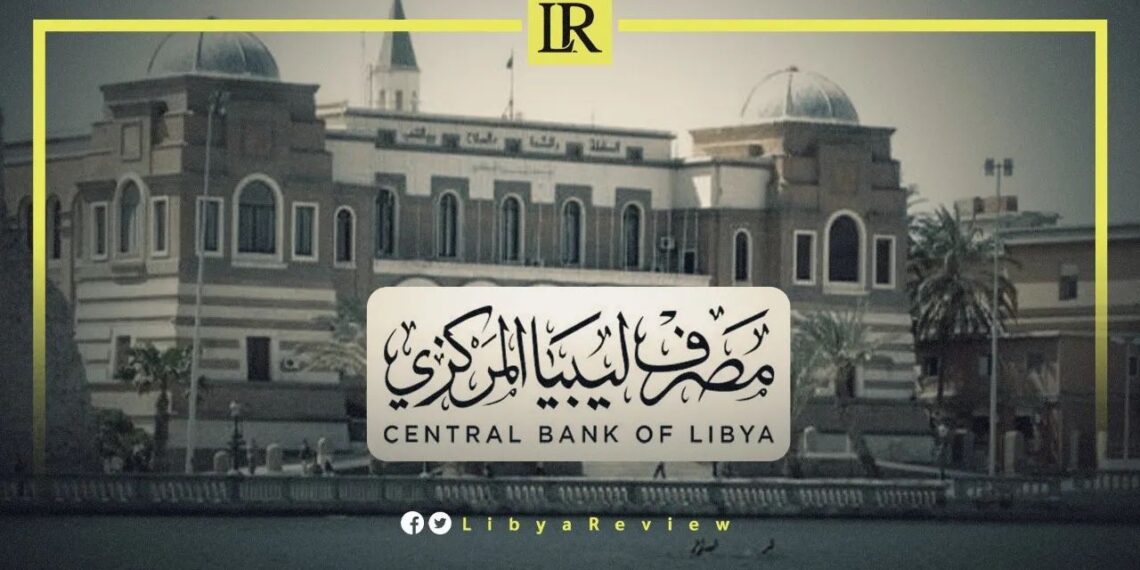
On Saturday, the Libyan Parliament officially suspended the 2018 appointment of Mohamed Abdel Salam Al-Shukri as Governor of the Central Bank of Libya. The decision was made after it was determined that Al-Shukri’s term had expired and that he had not taken up his duties since his appointment.

In a statement, the Parliament announced the suspension of Decision No. 3 of 2018, which had appointed Al-Shukri to the role. The move was justified by the significant time elapsed since his designation and failure to assume the position.

The Parliament also reaffirmed the validity of its more recent Decision No. 25 of 2023, which delegated the Central Bank’s leadership responsibilities. This decision confirms Siddiq Omar Al-Kabir as the Central Bank Governor, with Marai Muftah Rahil Al-Barassi appointed as Deputy Governor.

The leadership of the Central Bank has long been a flashpoint in Libya’s broader political conflict. Al-Shukri was appointed in 2018 by the Parliament based in the east, amid a deep political divide, with competing governments in the east and west vying for control over key institutions like the Central Bank. However, Al-Shukri never assumed his role due to these power struggles, leaving Al-Kabir, who has held the position since 2011, in control.

Al-Kabir remains a powerful figure, especially in western Libya, and faces sharp criticism over issues of transparency and governance.

The suspension of Al-Shukri’s appointment and the reaffirmation of Al-Kabir’s position underscores the ongoing power struggles within Libya’s political and financial systems. Stability in the Central Bank’s leadership is crucial, especially given the institution’s role in managing oil revenues and public spending, both vital to Libya’s economic health.

Tags: cblCentral Banklibya
Next Post
Monkeypox Threatens Libya’s Health System as Migrant Numbers Soar

Monkeypox Threatens Libya’s Health System as Migrant Numbers Soar

POPULAR CATEGORIES

  • Home
  • Libya
  • Economy
  • Sport
  • Politics
  • Entertainment
  • Opinion

MUST READ

US Warns of Persistent Risks Facing Libya Since 2011

Libya Discusses Legal Status and Deportation of Syrian Migrants

Libyan Applicants Spent €568000 on Refused European Visas in 2025

Libya Linked to Growing Tensions Over Expanded EU Operation IRINI

3 Dead & Military Bases Torched in Al Zawiya Clashes

Influencer Arrested Over Alleged Kidnapping and Assault Case in Libya

EDITOR PICKS

Libya Linked to Growing Tensions Over Expanded EU Operation IRINI

Libyan Applicants Spent €568000 on Refused European Visas in 2025

Influencer Arrested Over Alleged Kidnapping and Assault Case in Libya

US Warns of Persistent Risks Facing Libya Since 2011

Libyan MP Rejects Creation of Regions Without Parliament Approval

Libya Transfers 163 Migrants to Shelter Centre

  • Home
  • Libya
  • Economy
  • Sport
  • Politics
  • Entertainment
  • Opinion

© 2024 LR

No Result
View All Result
  • Home
  • Libya
  • Economy
  • Sport
  • Politics
  • Entertainment
  • Opinion

© 2024 LR