
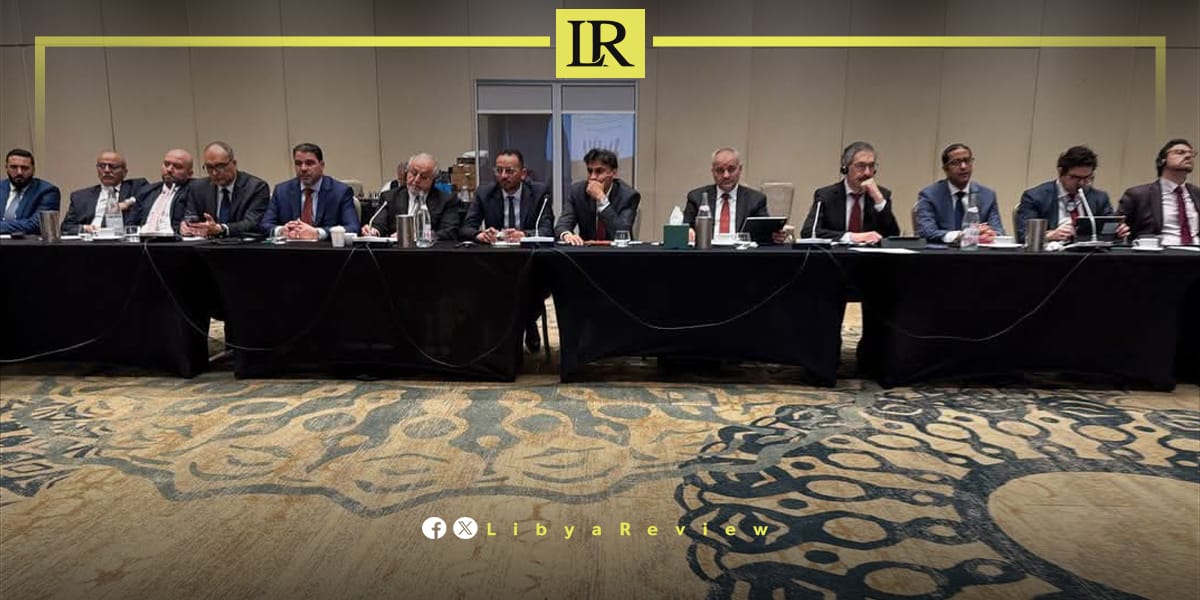
The Governor of the Central Bank of Libya, Naji Issa, chaired a high-level consultation session with the International Monetary Fund (IMF) in Tunis on Monday as part of the Article IV consultations. The meeting was attended by technical teams representing key Libyan sovereign institutions.
Participants included officials from the Ministries of Finance, Economy and Trade, Planning, Labour and Rehabilitation, Justice, Education, and Health. Representatives from the Audit Bureau, National Oil Corporation (NOC), Administrative Control Authority, and the Bureau of Statistics and Census also took part in the session.
According to a statement from the Central Bank of Libya, the session offered a comprehensive review of Libya’s economic performance in 2024, covering fiscal, monetary, and trade policies. The meeting also examined measures implemented by the Central Bank in the first quarter of 2025 aimed at enhancing transparency and improving both local and international economic indicators.
The consultations come under the framework of the IMF’s Article IV mission, which assesses a country’s economic health and provides policy advice to ensure macroeconomic stability. The Libyan delegation discussed the challenges and prospects facing the country’s economy, especially in light of ongoing efforts to implement structural reforms.
The Central Bank emphasised that these consultations are part of broader efforts to evaluate the financial and economic situation in Libya and support reform initiatives. The objective is to strengthen financial stability and promote sustainable economic growth in a country still recovering from years of conflict and division.
The session marked an important step in building trust between Libyan institutions and international partners, particularly as Libya seeks to re-establish its financial credibility on the global stage.

